From the sumo Aki Basho 2024 (September) in the Ryogoku area of Tokyo. We were only in the area for two days and at the basho (tournament) for one day. The next tournament starts in January!
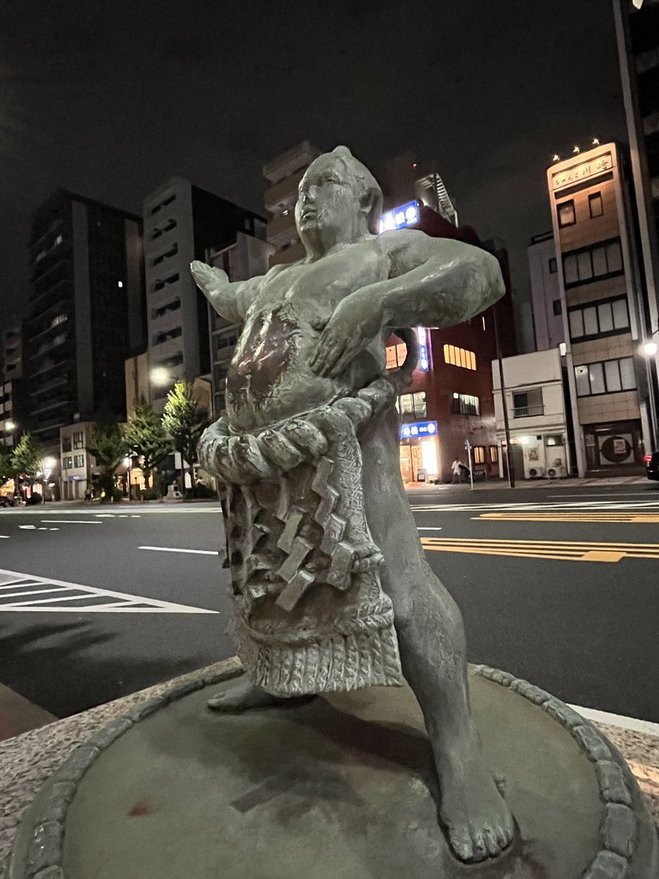

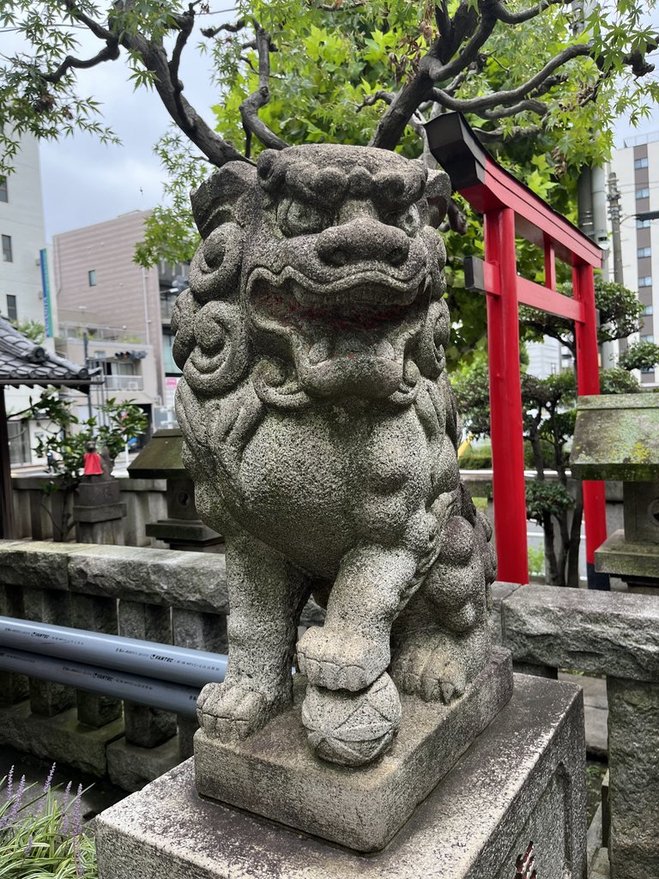
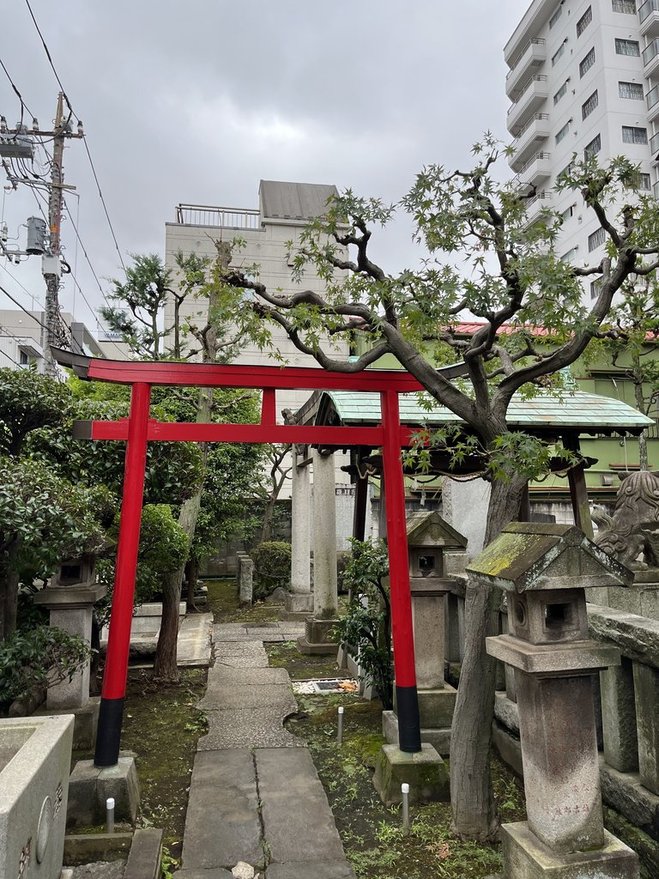
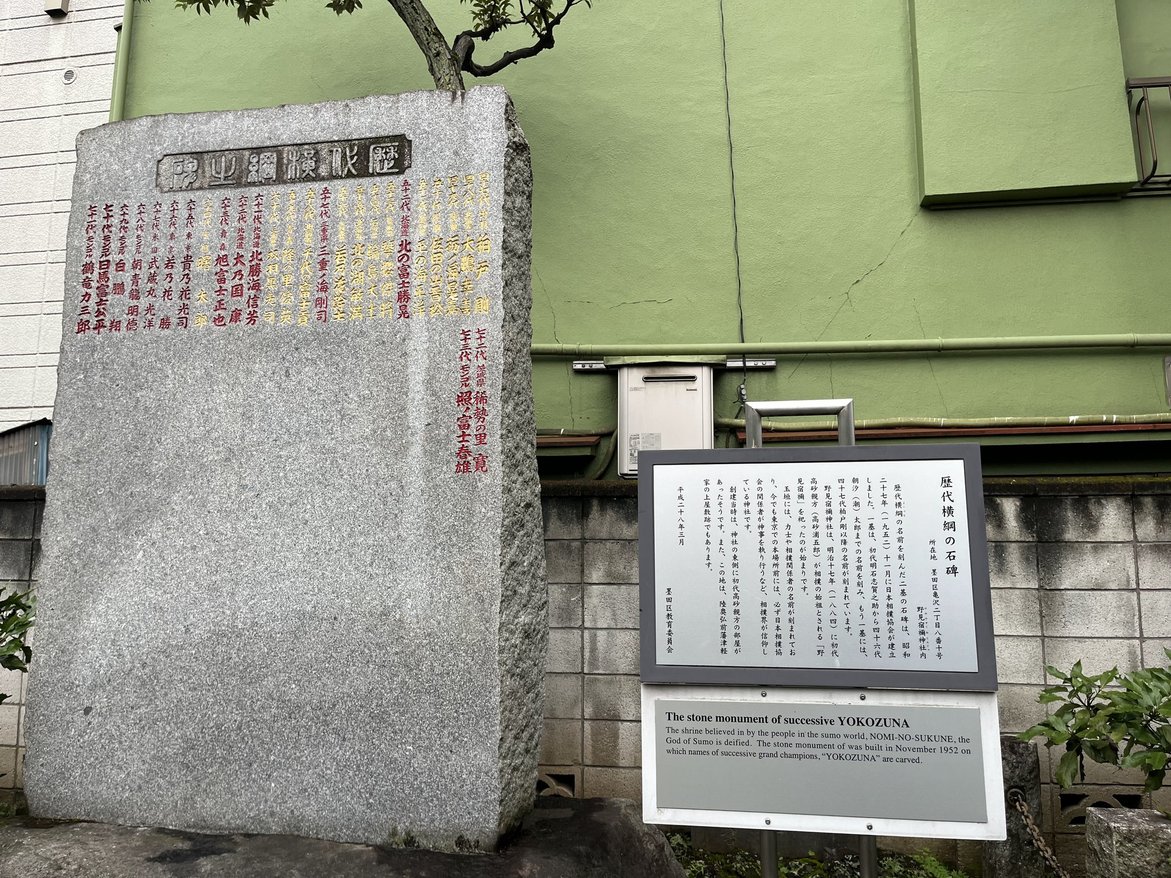
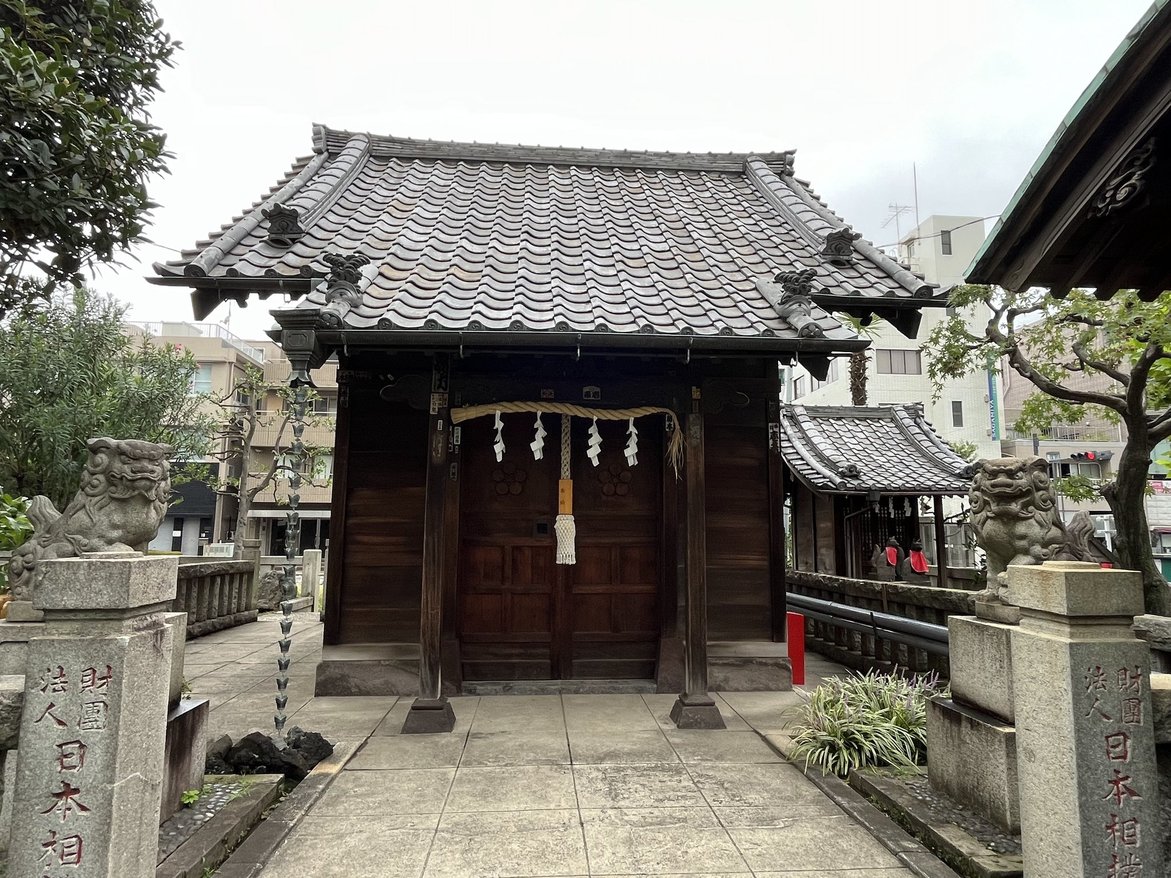
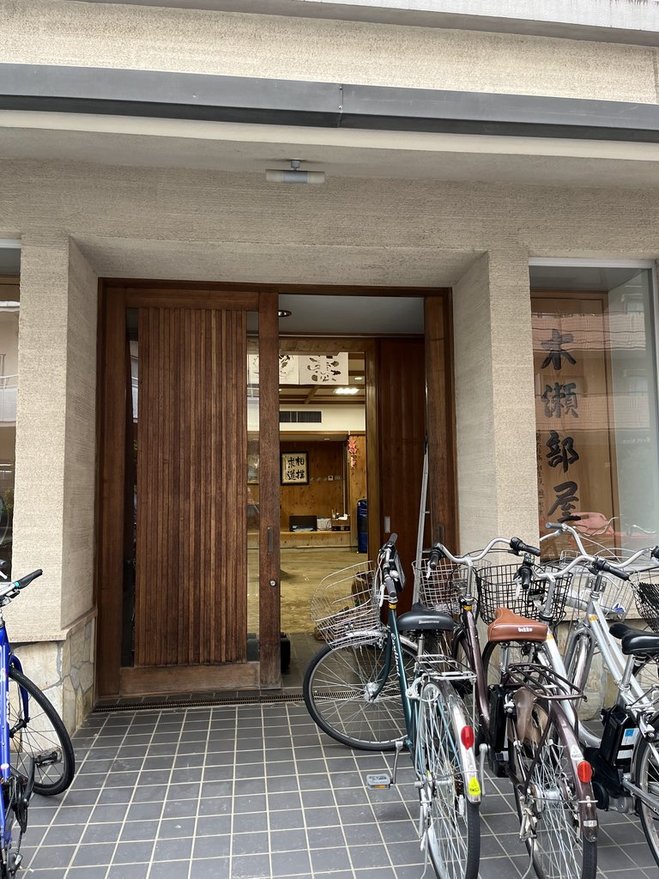


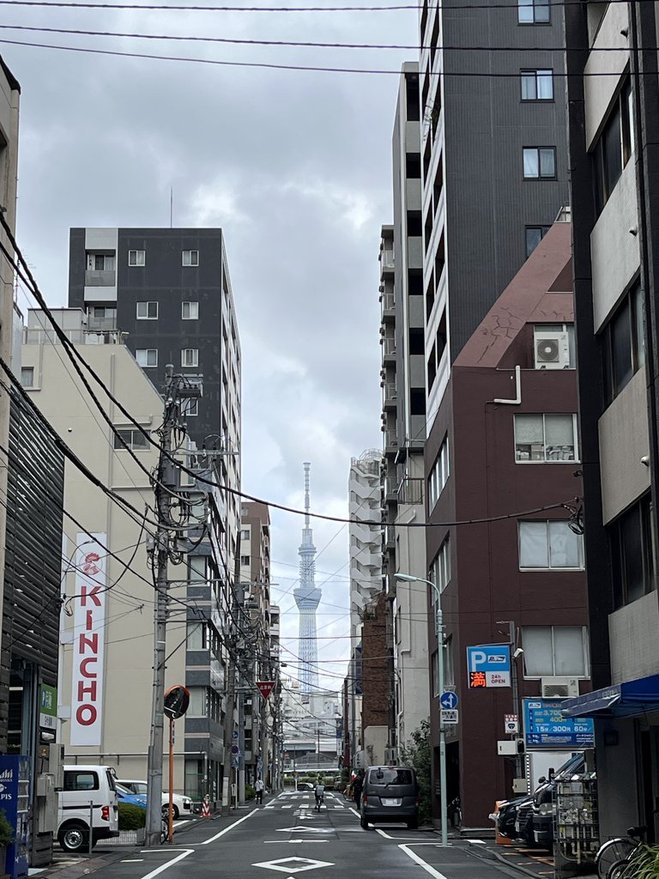
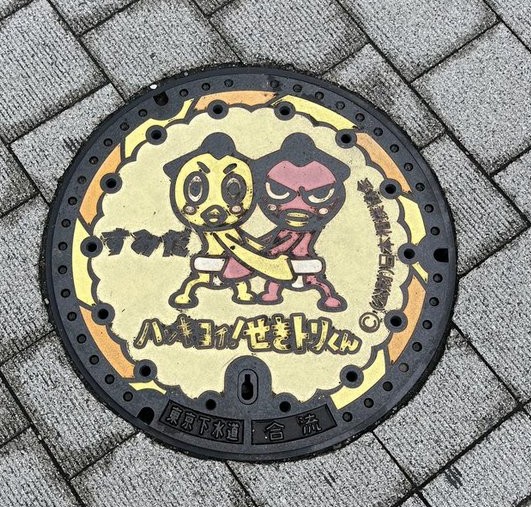

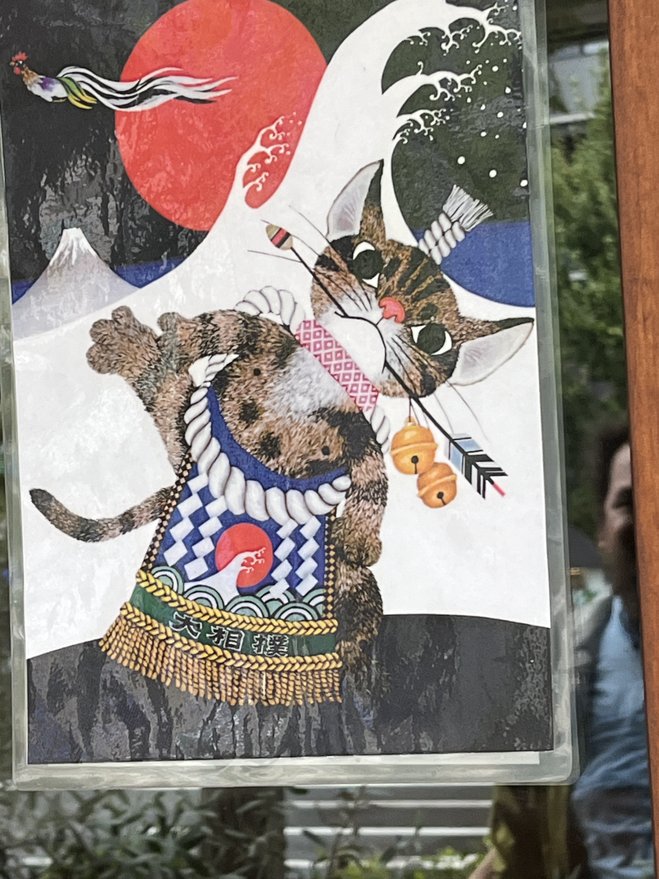
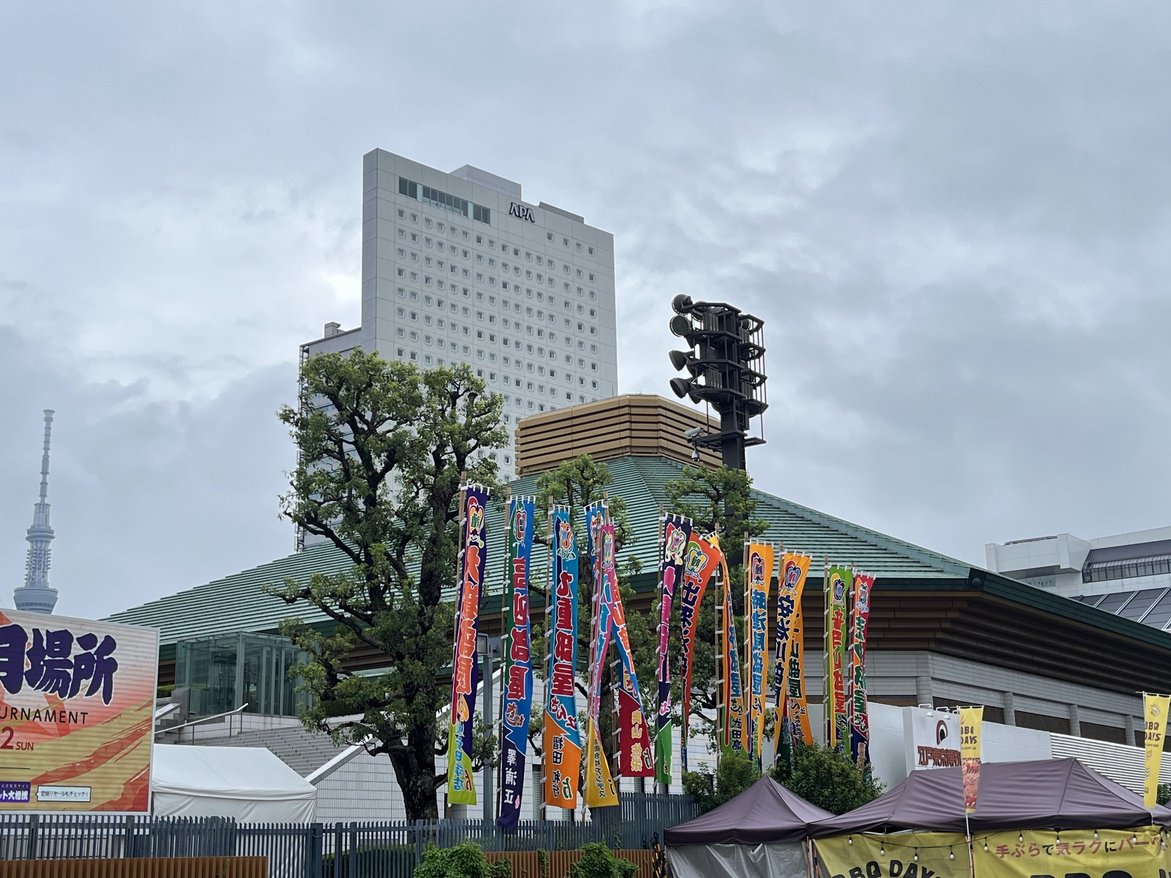
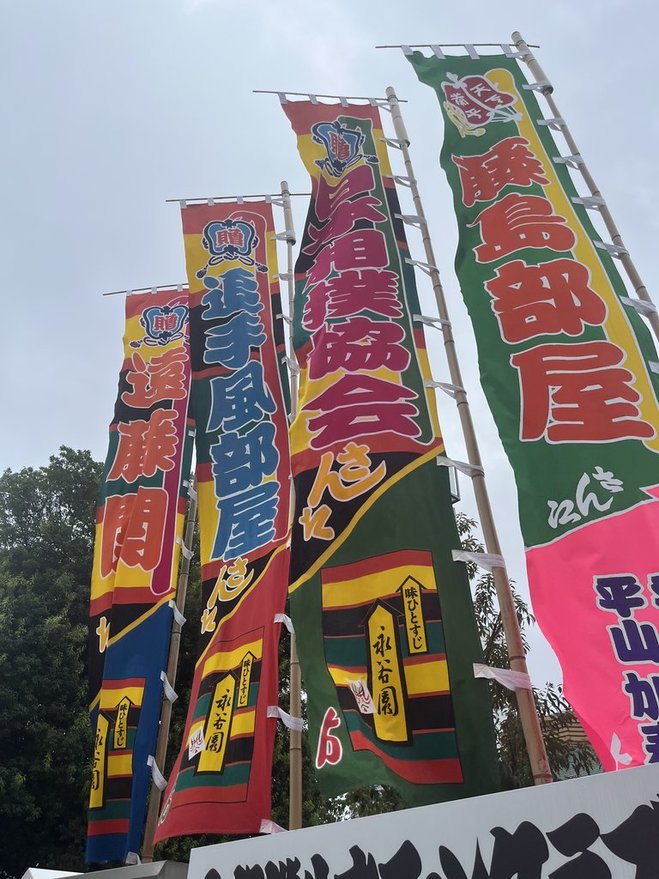
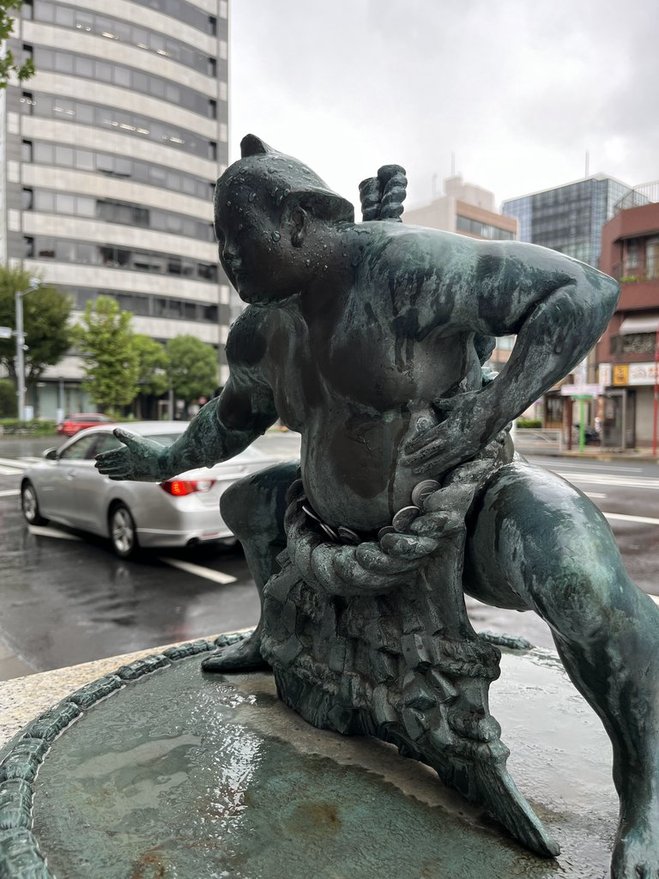
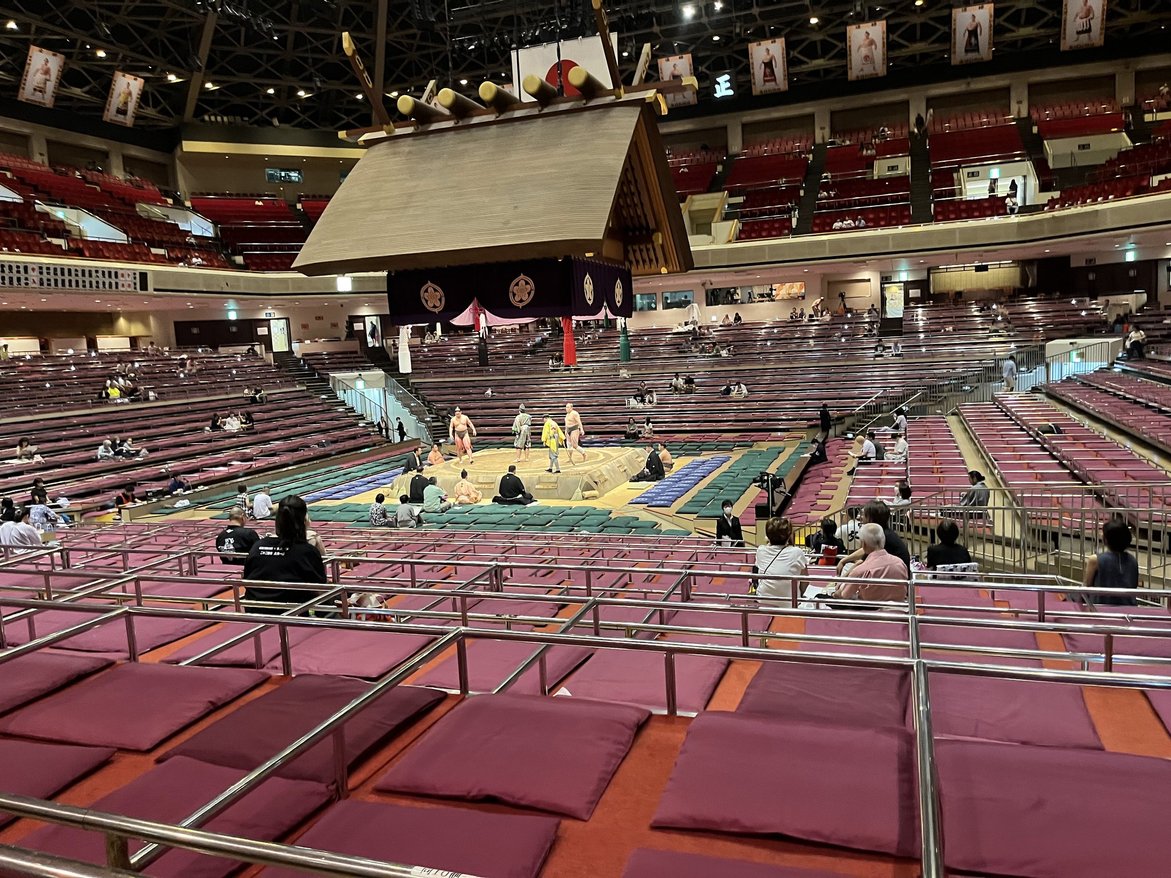
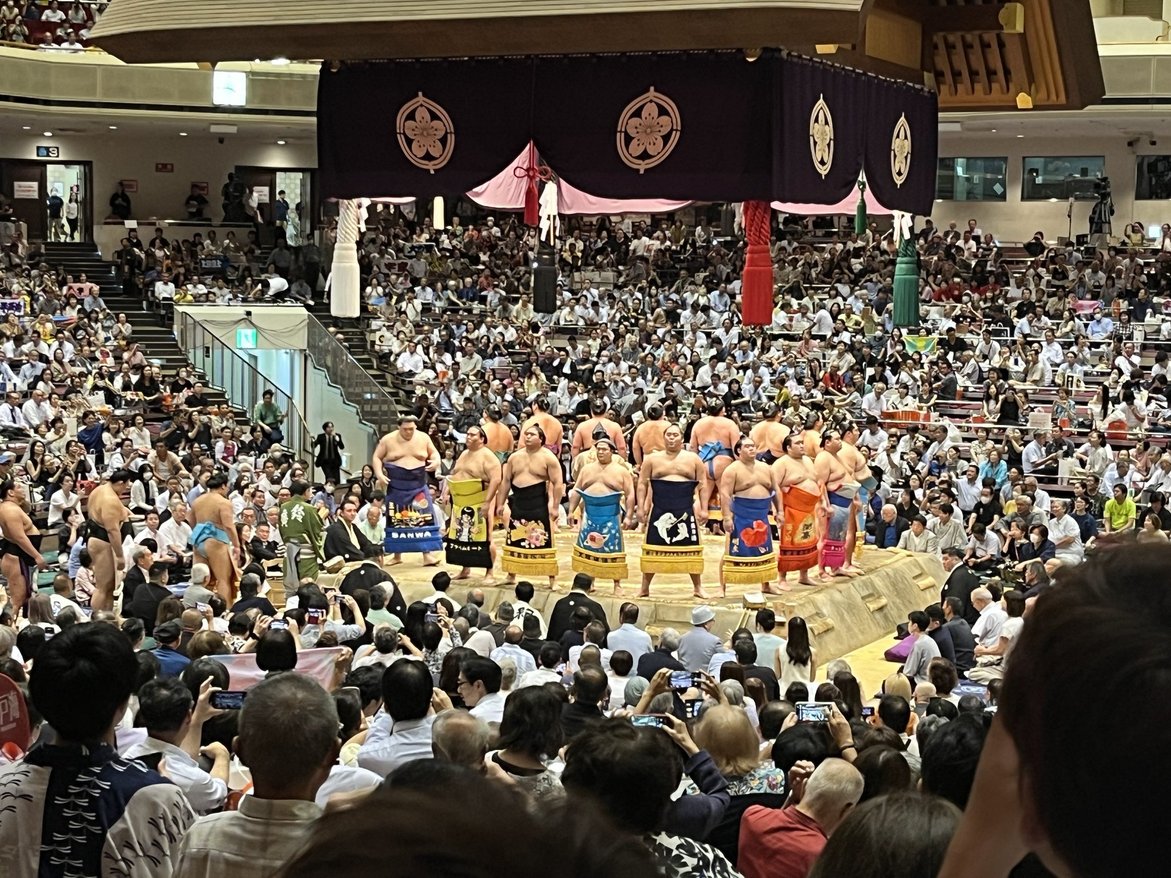
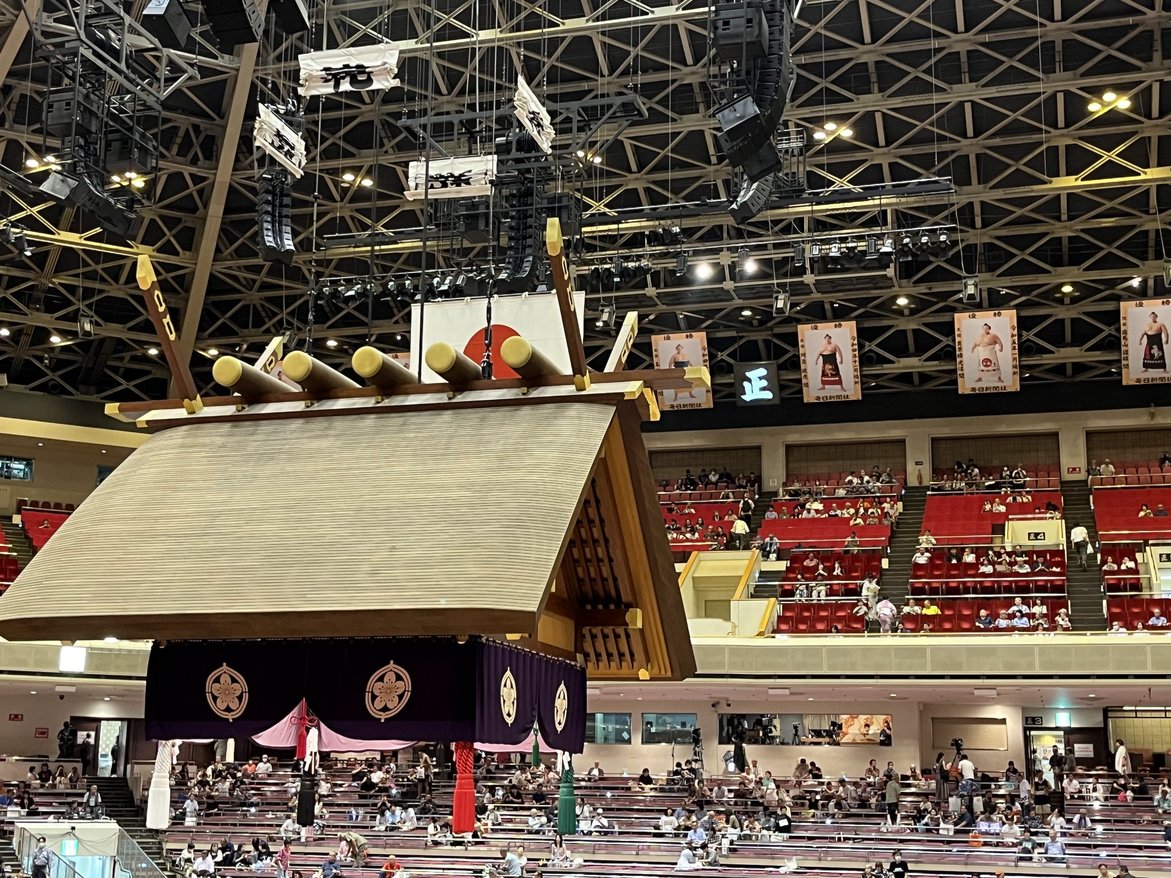
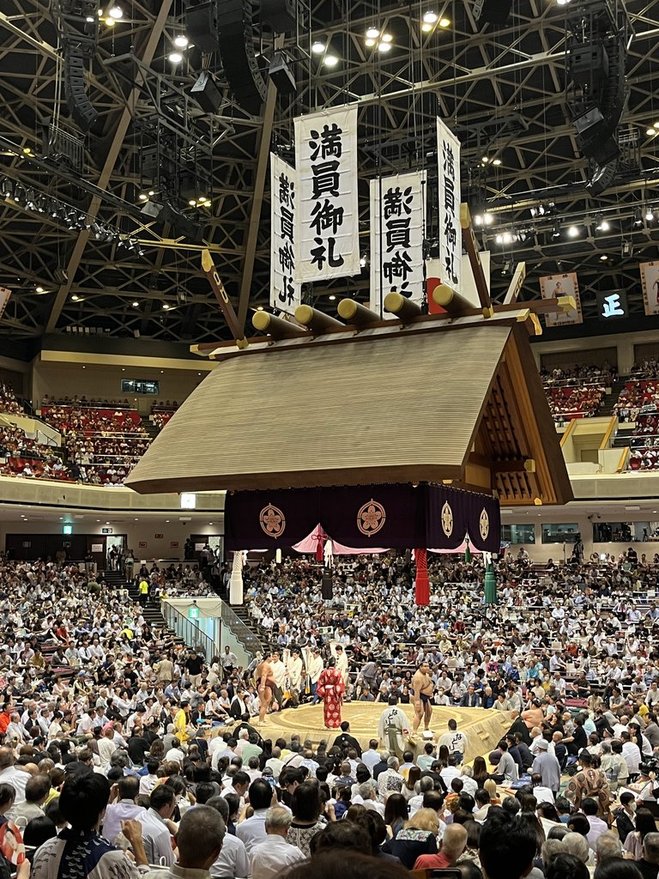
From the sumo Aki Basho 2024 (September) in the Ryogoku area of Tokyo. We were only in the area for two days and at the basho (tournament) for one day. The next tournament starts in January!
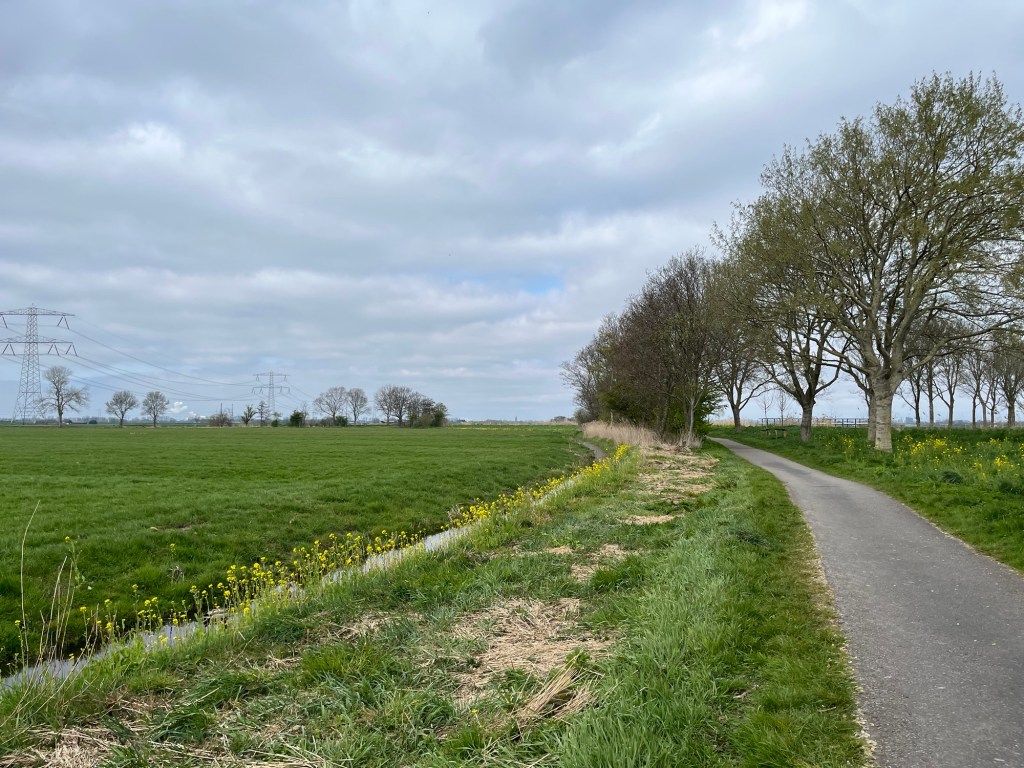
Zaandam to Haarlem to Oude Wettering to Nieuwe Meer and back to Zaandam.


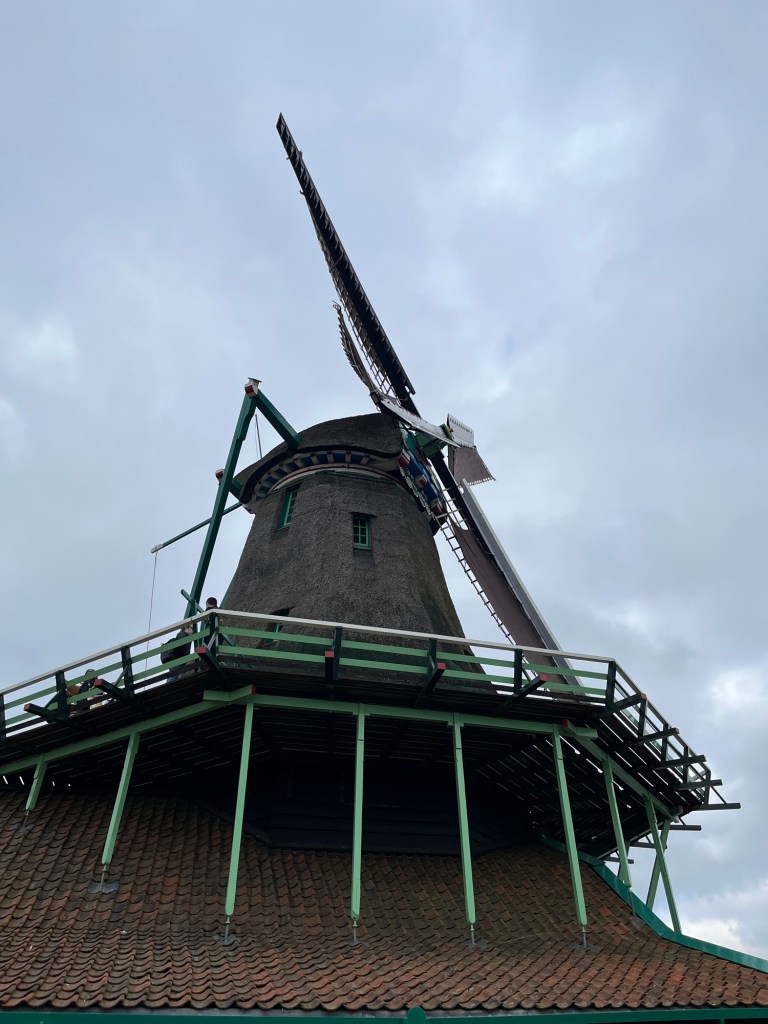


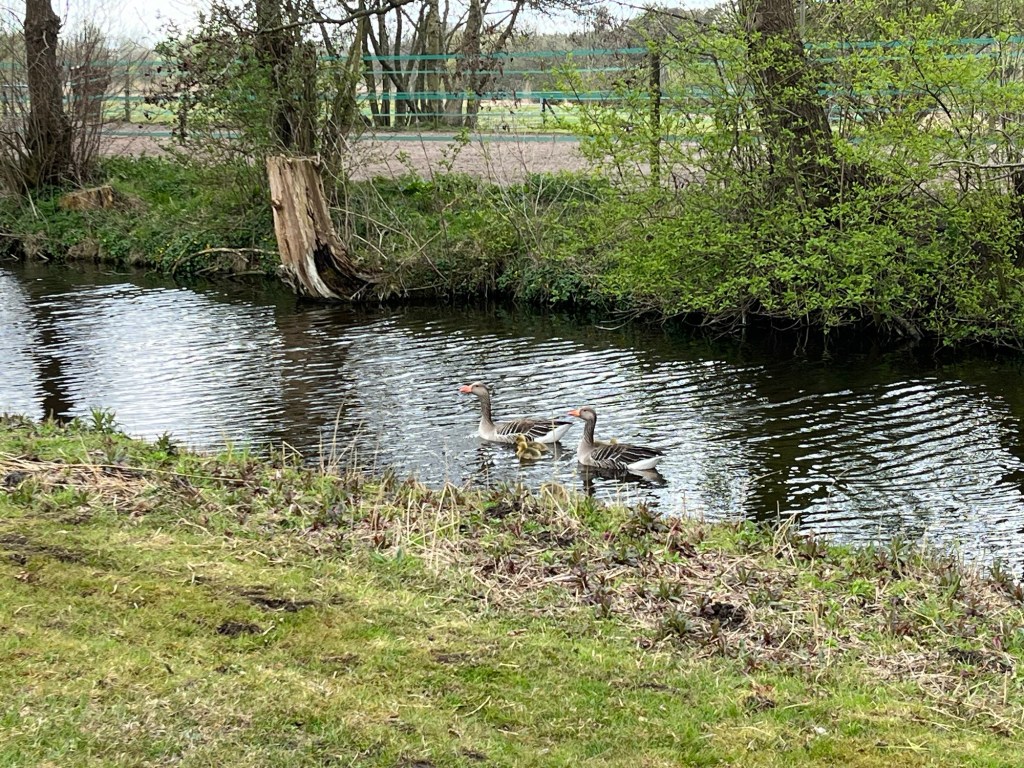


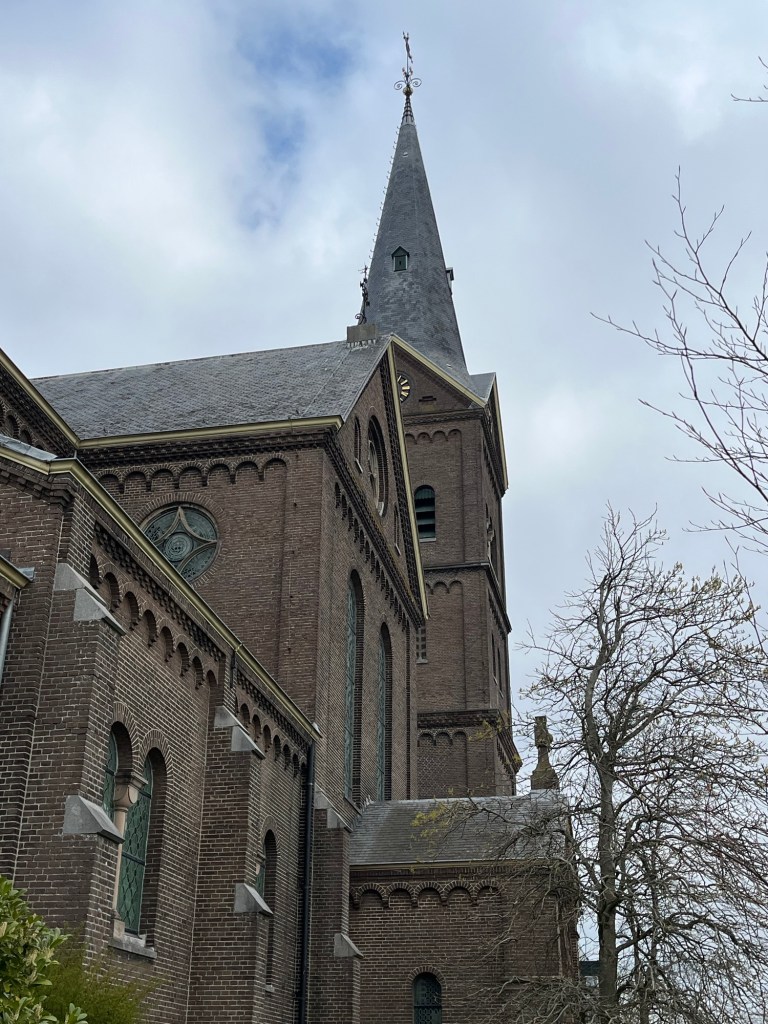
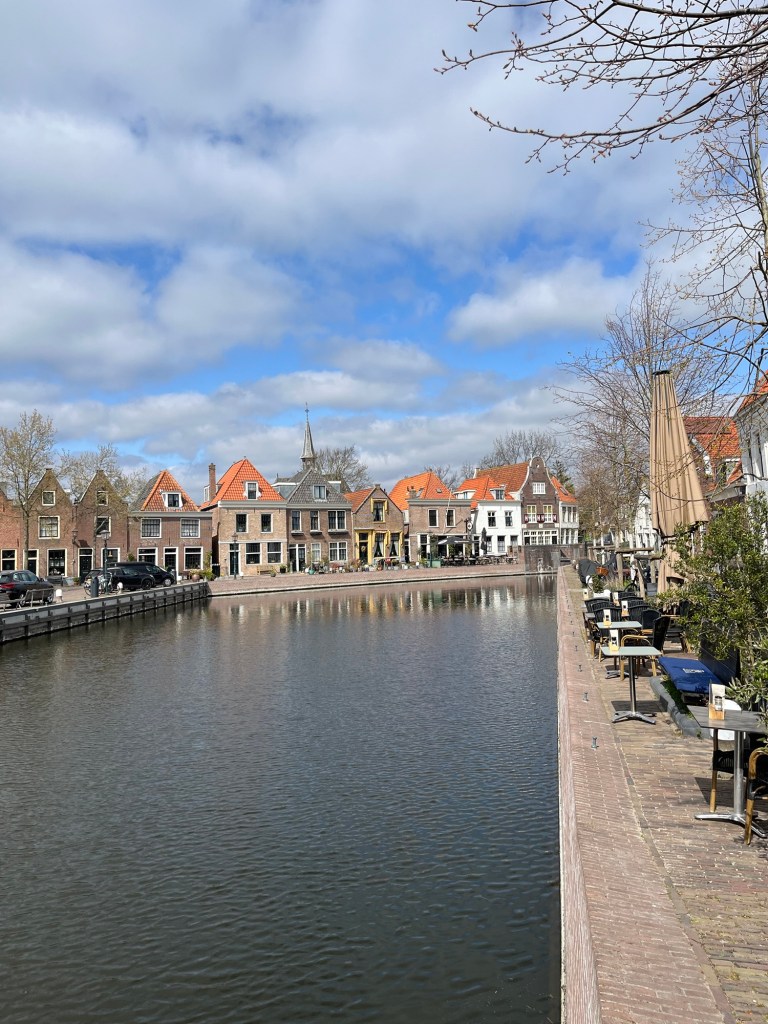


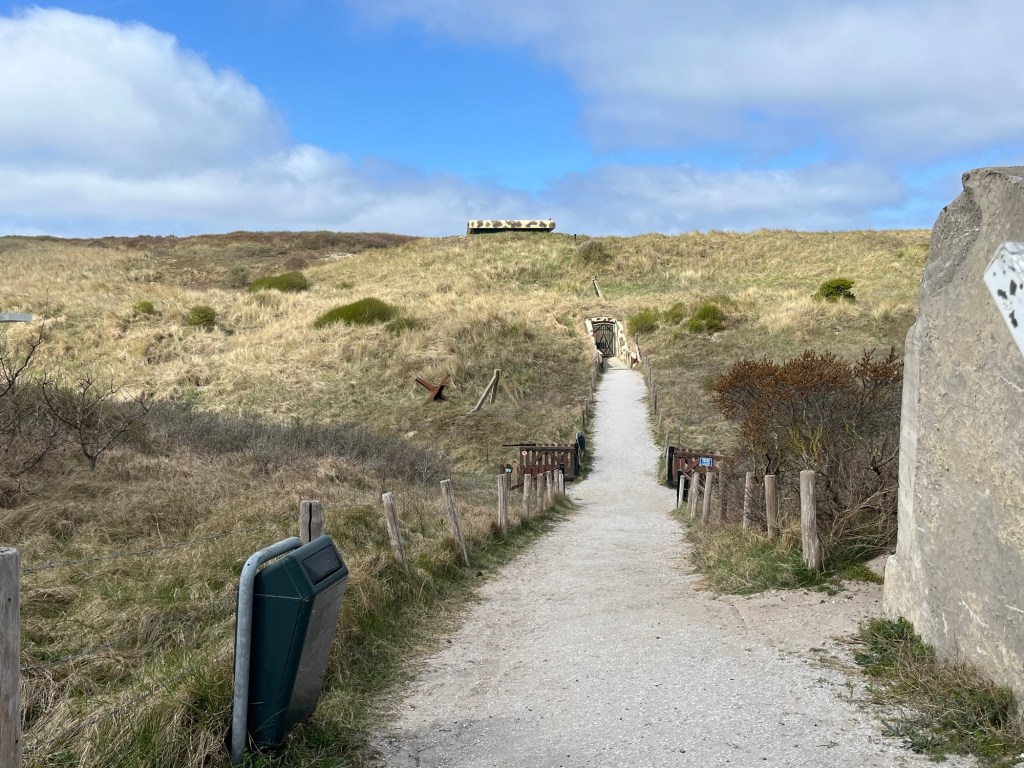
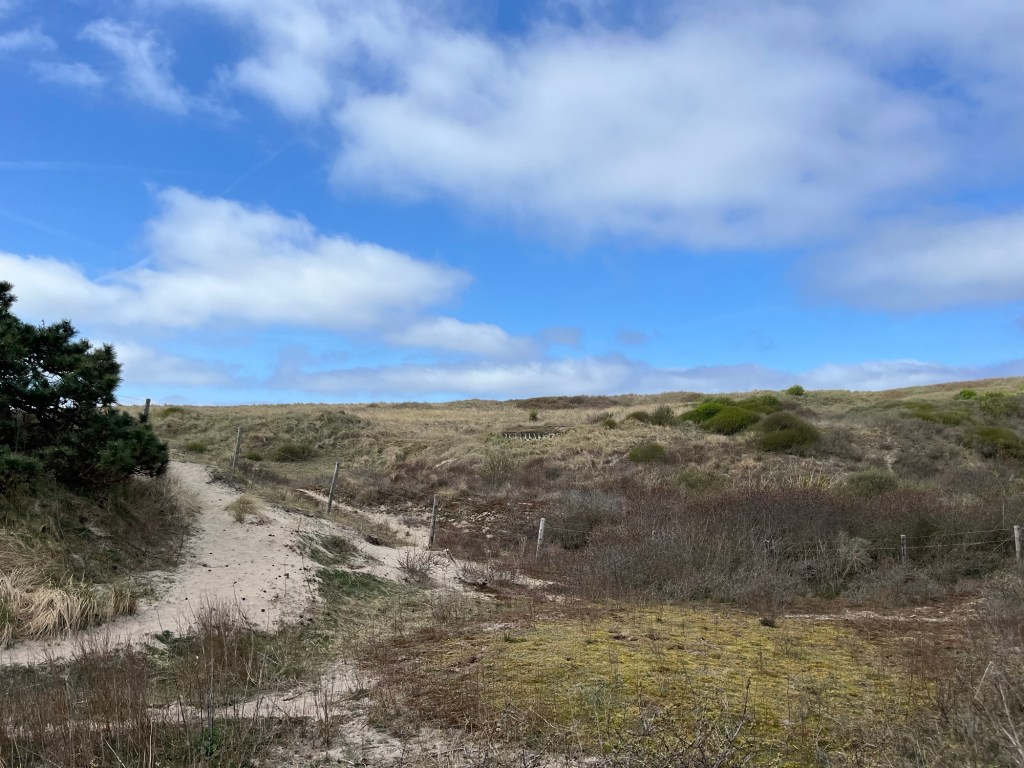


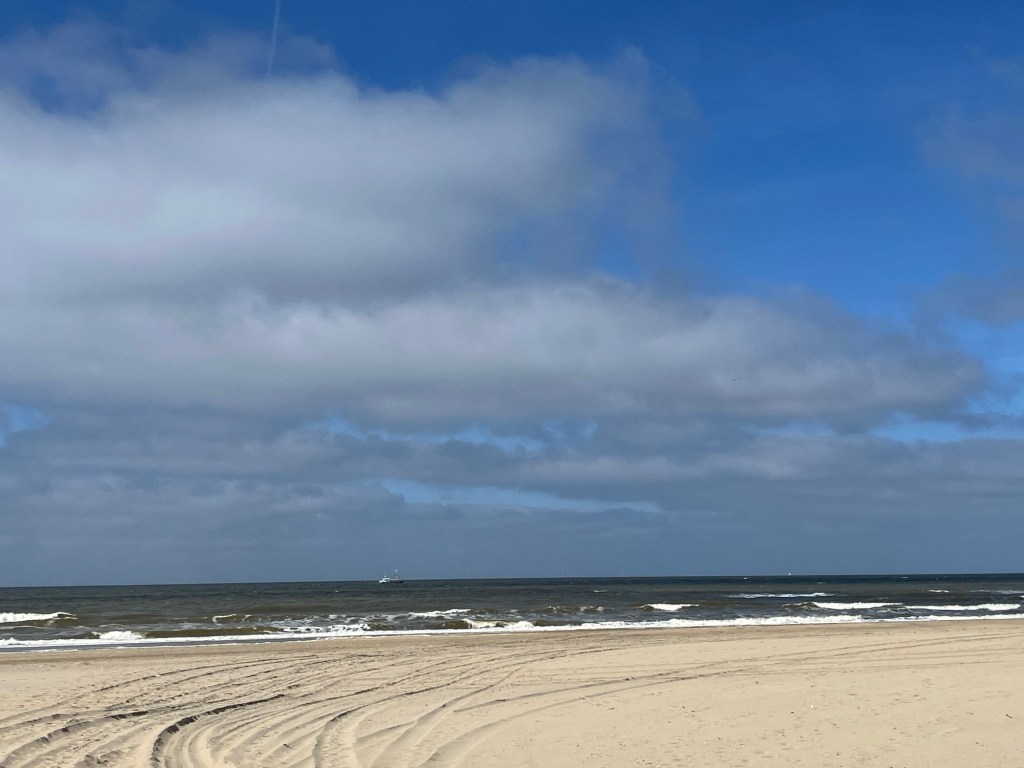
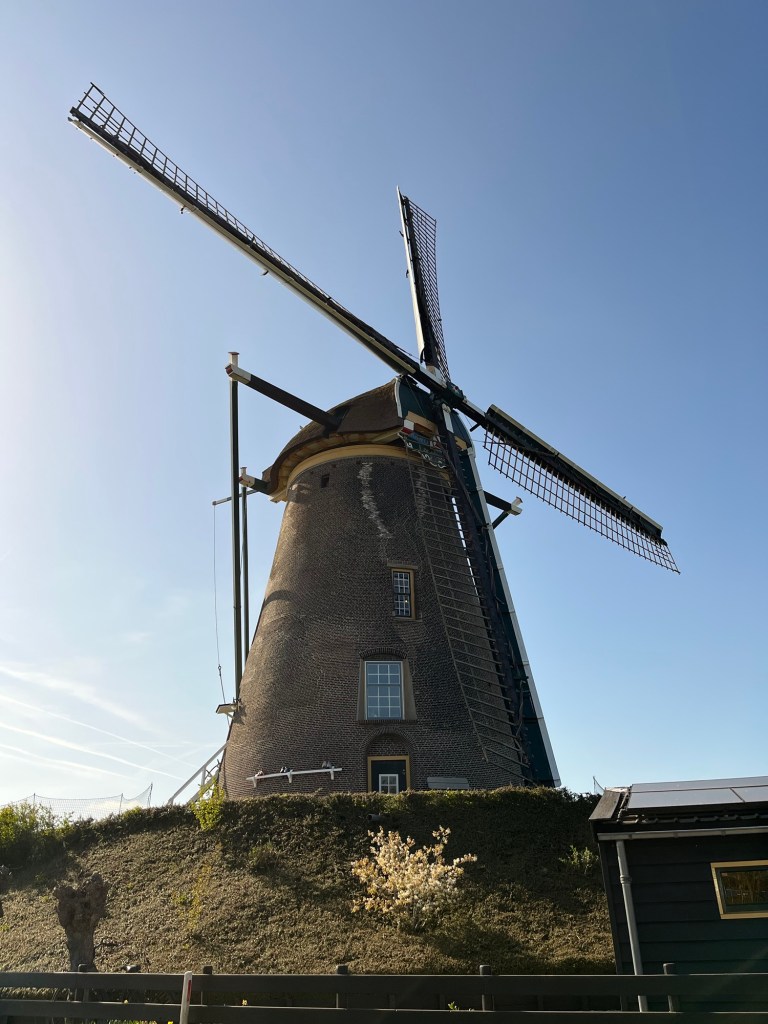
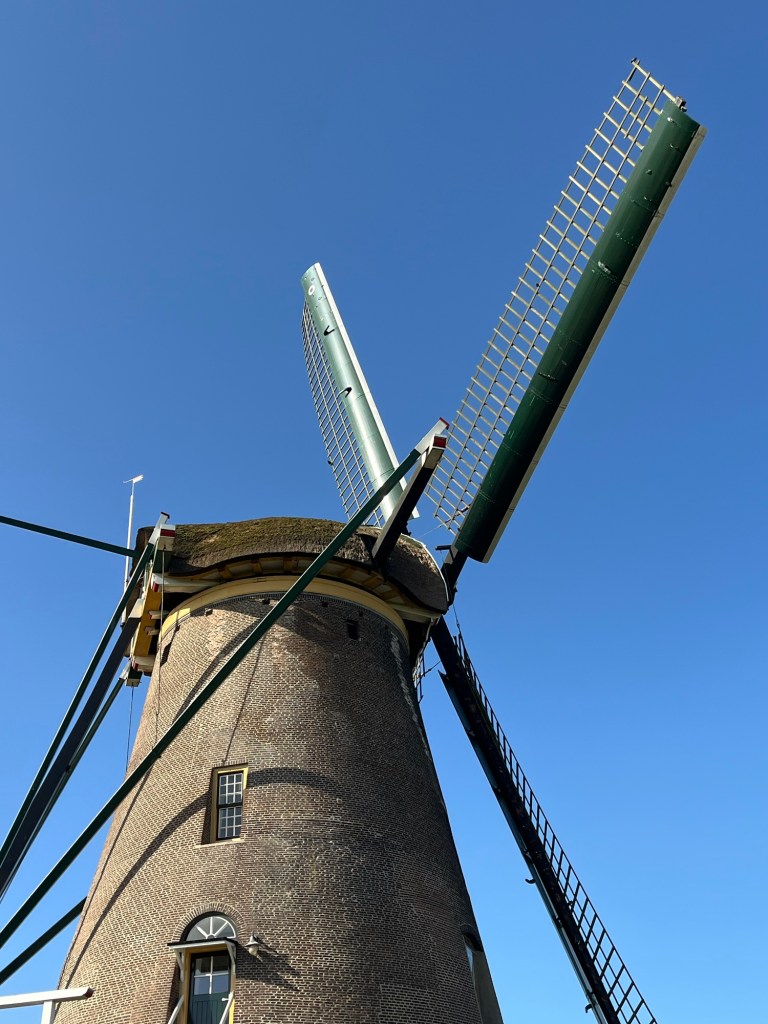


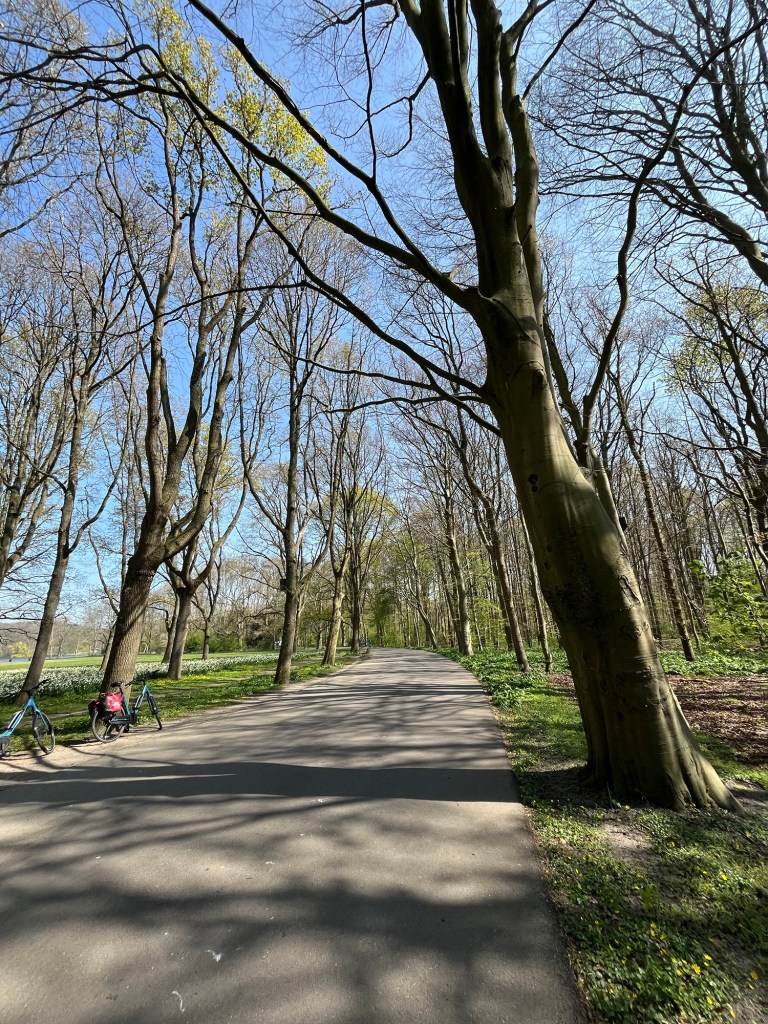
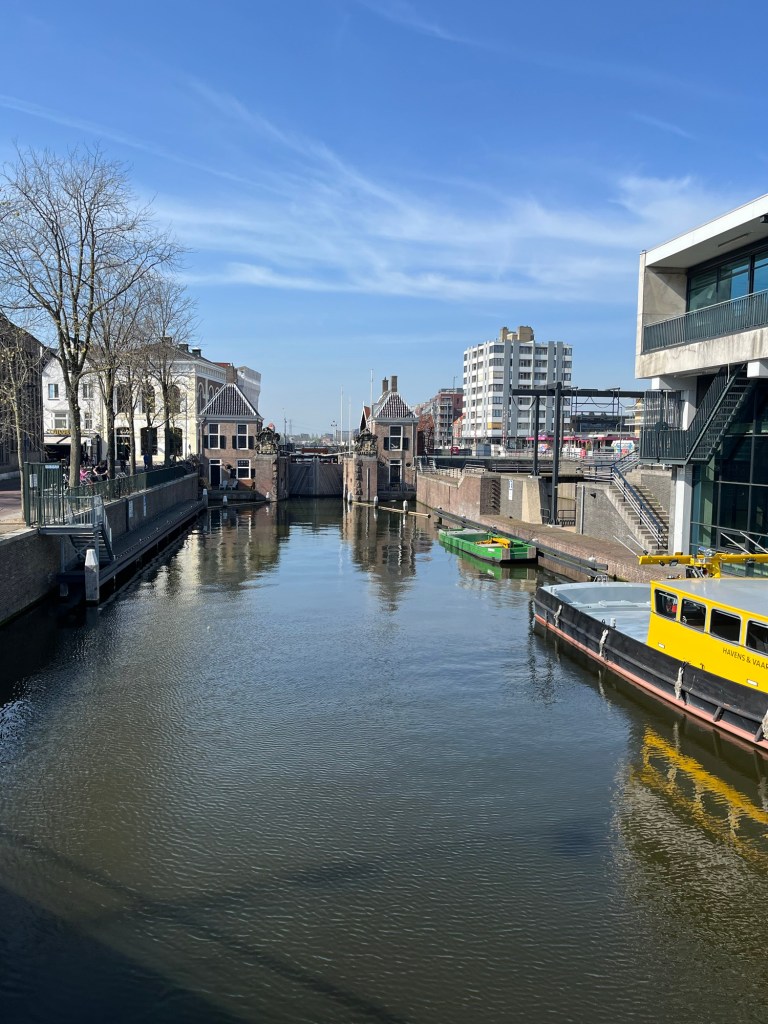




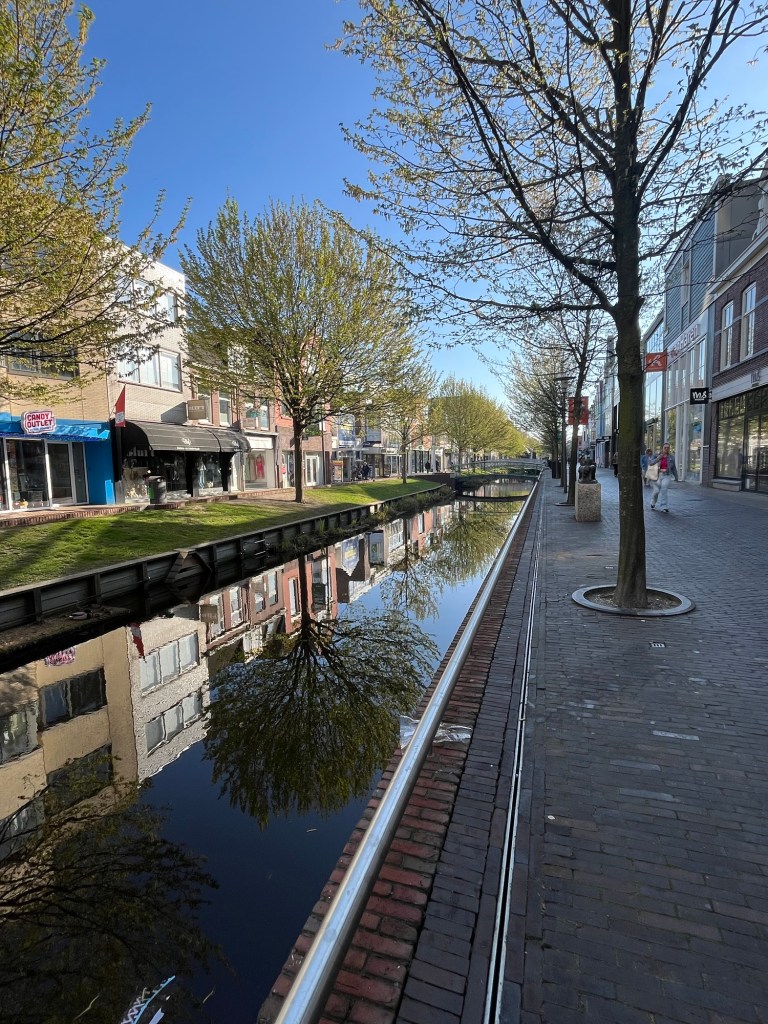
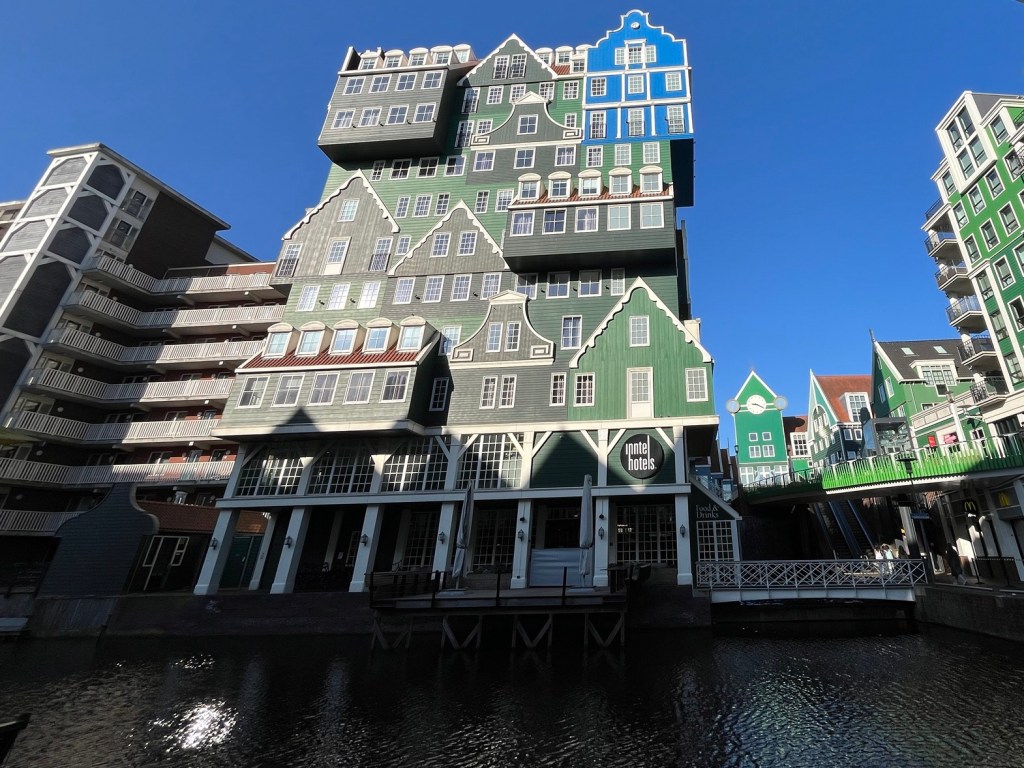
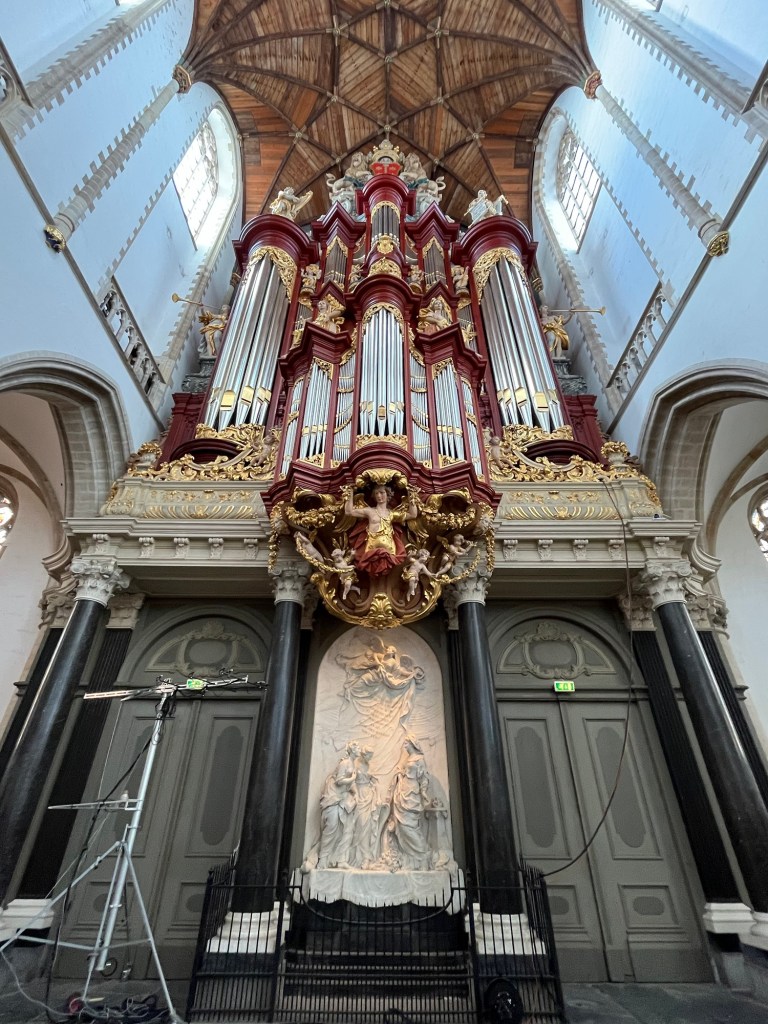
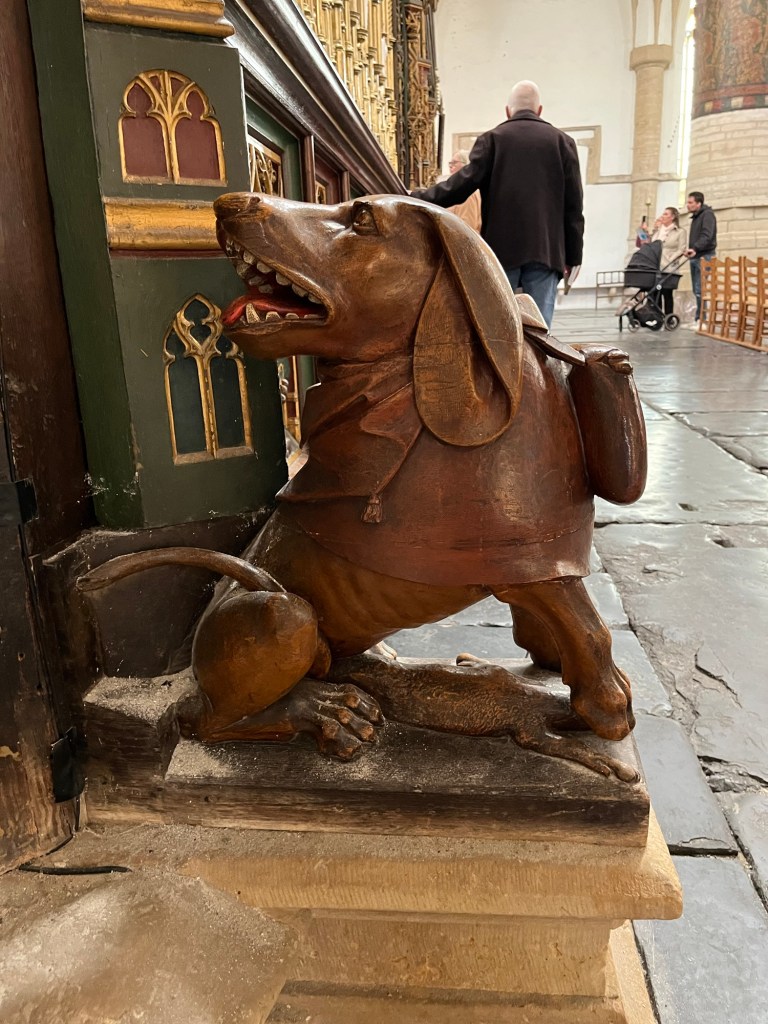
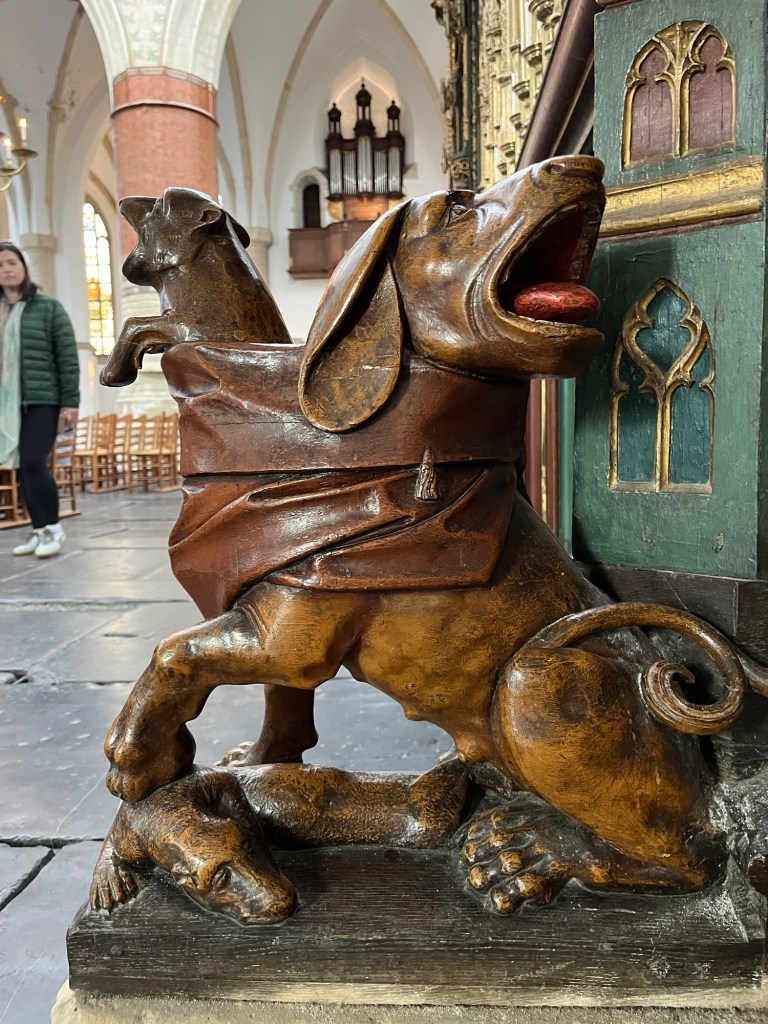
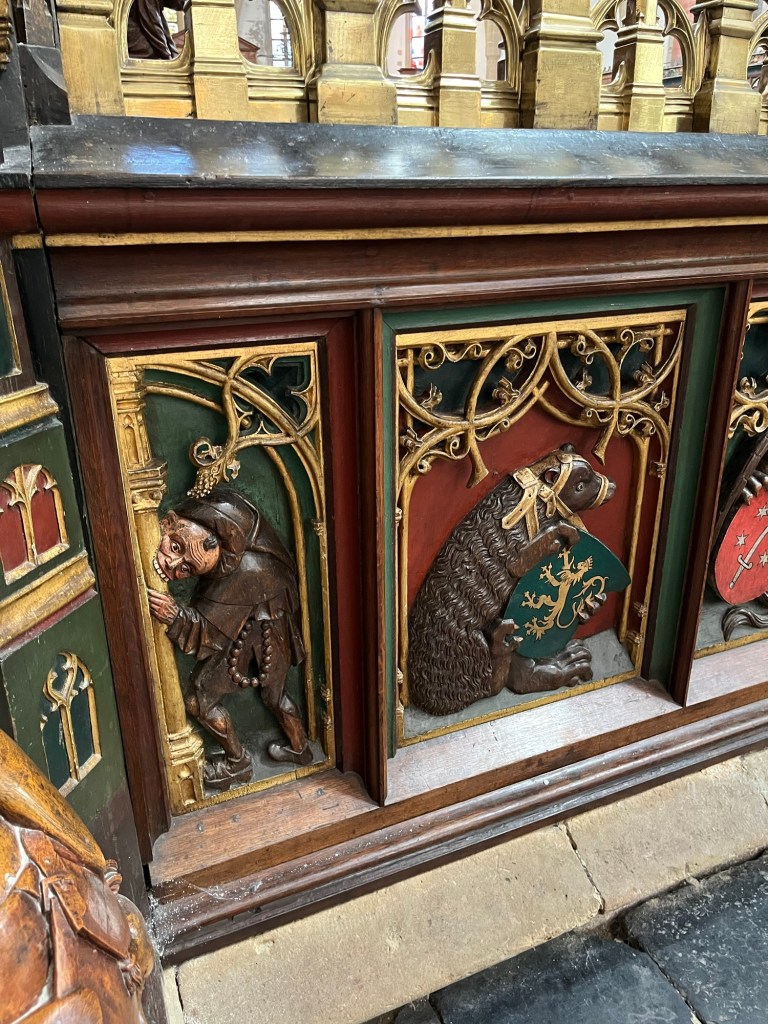
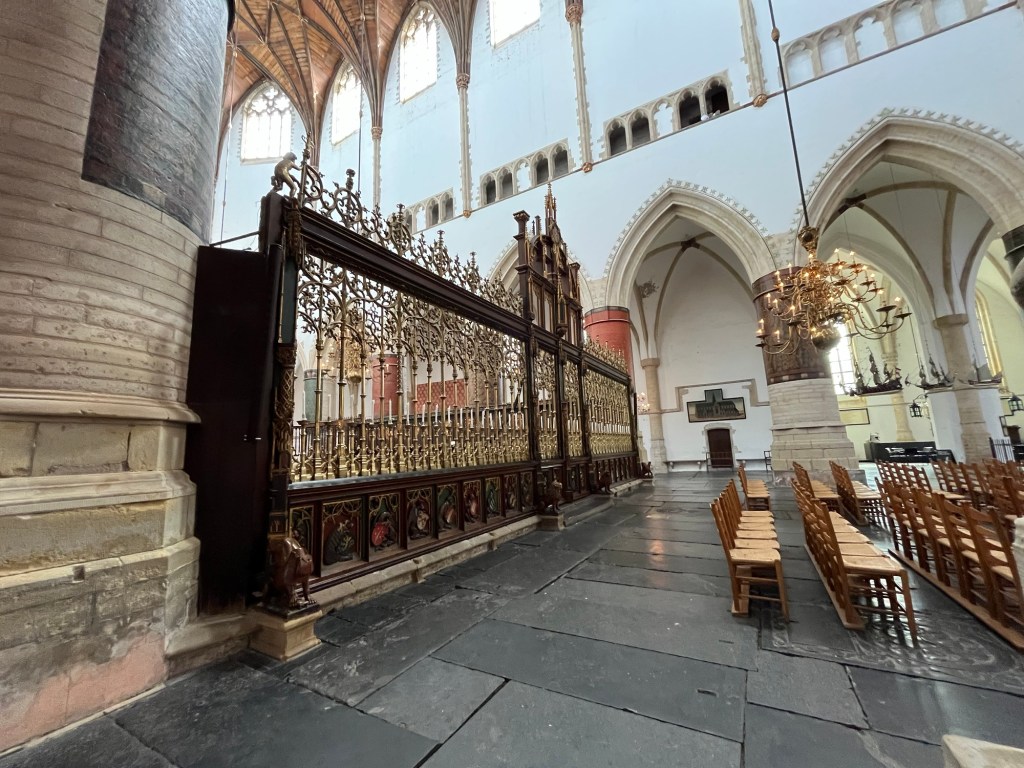
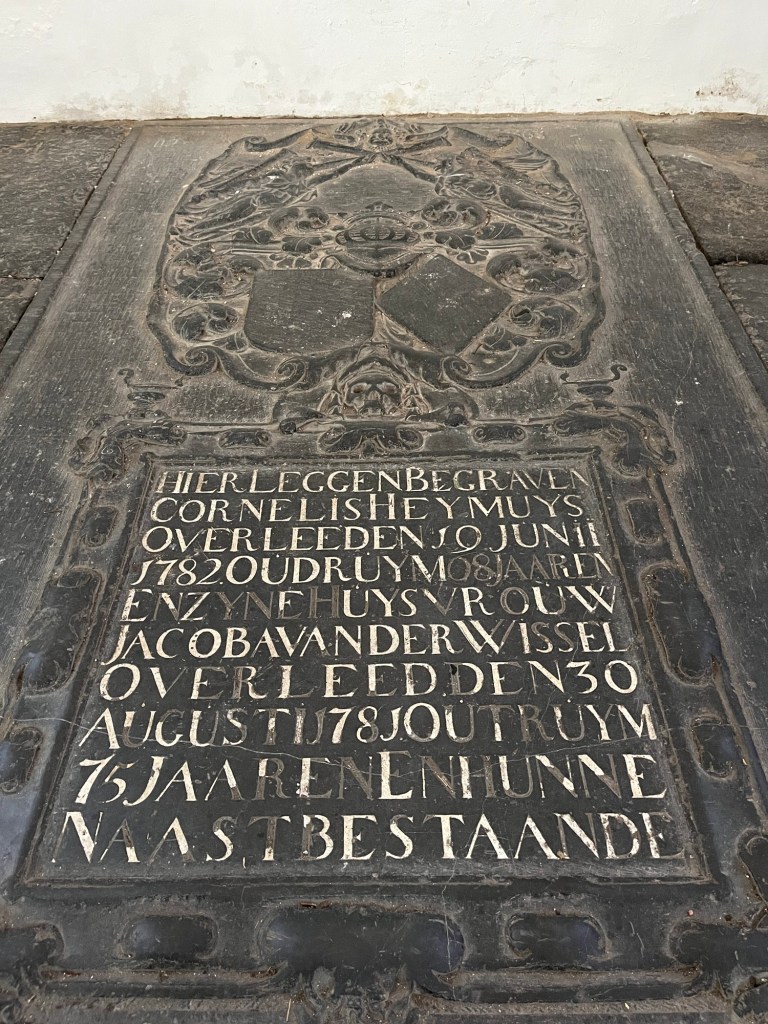
A quick trip to Haarlem to see the cathedral of St. Bavo.







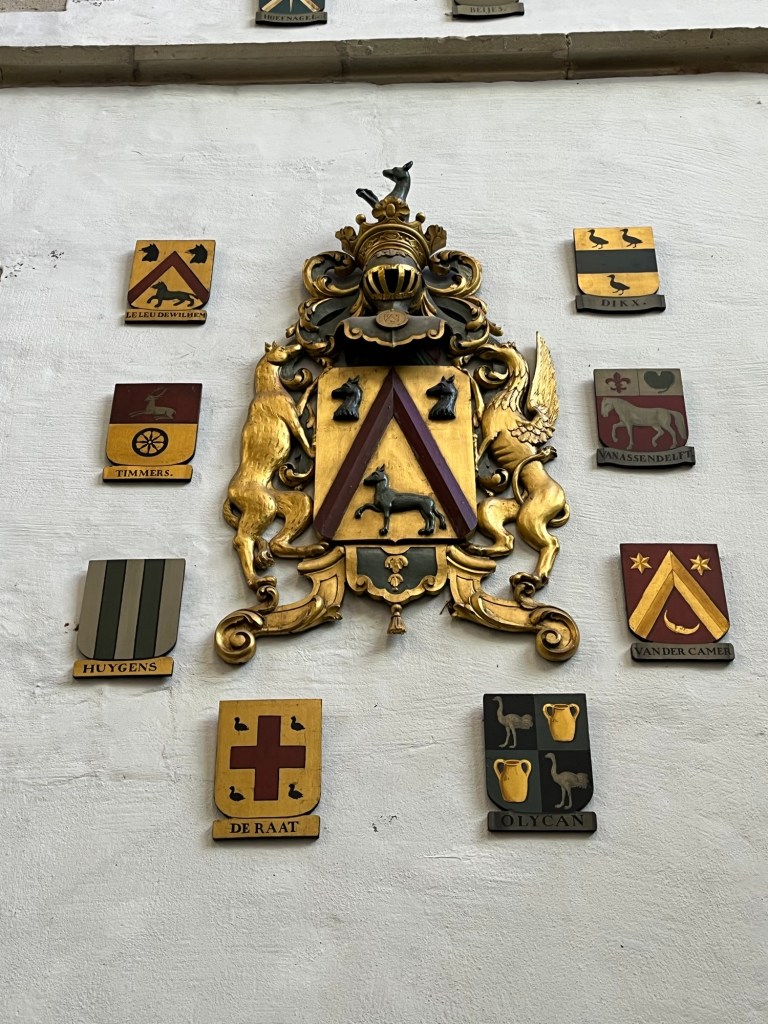
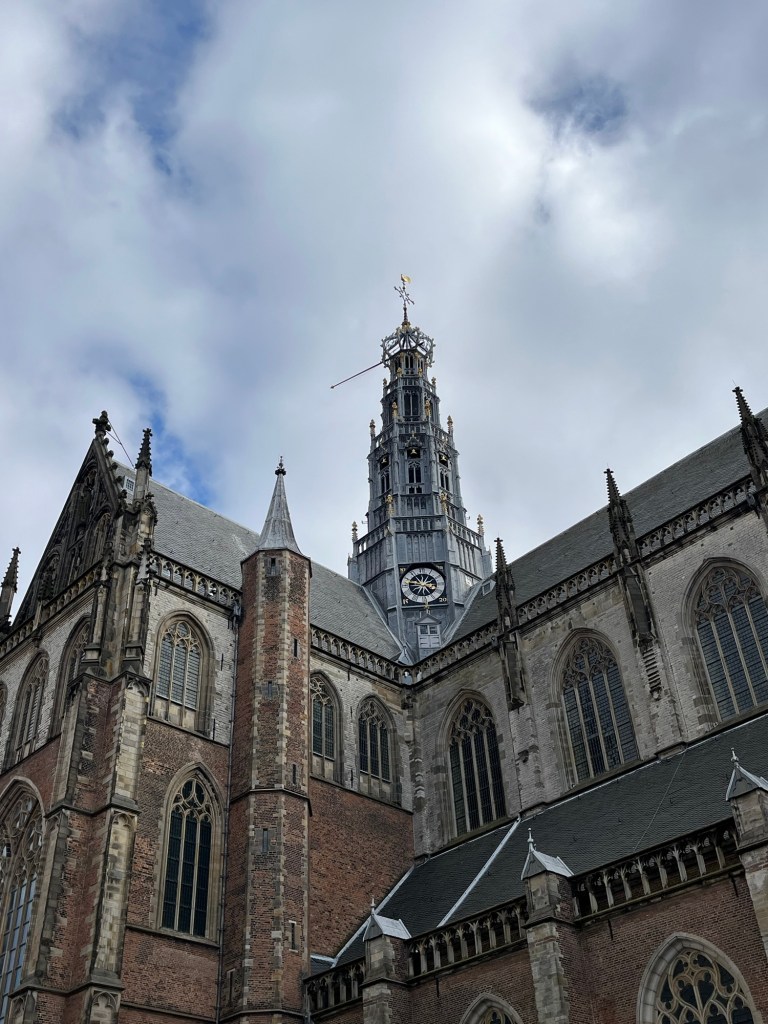
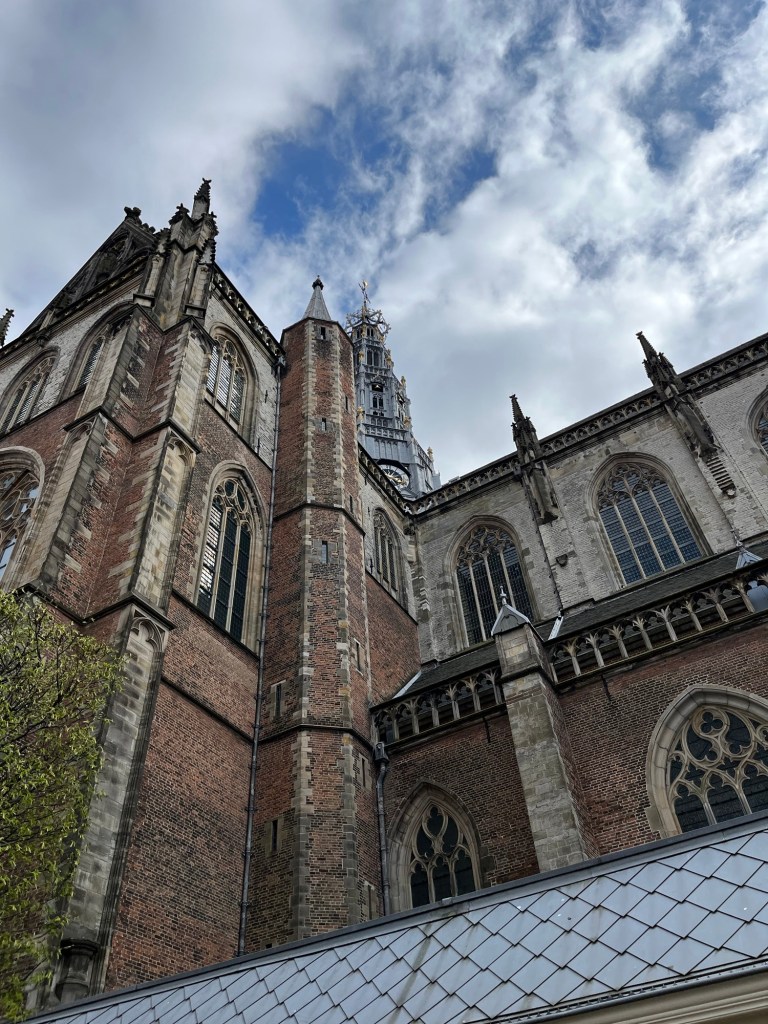

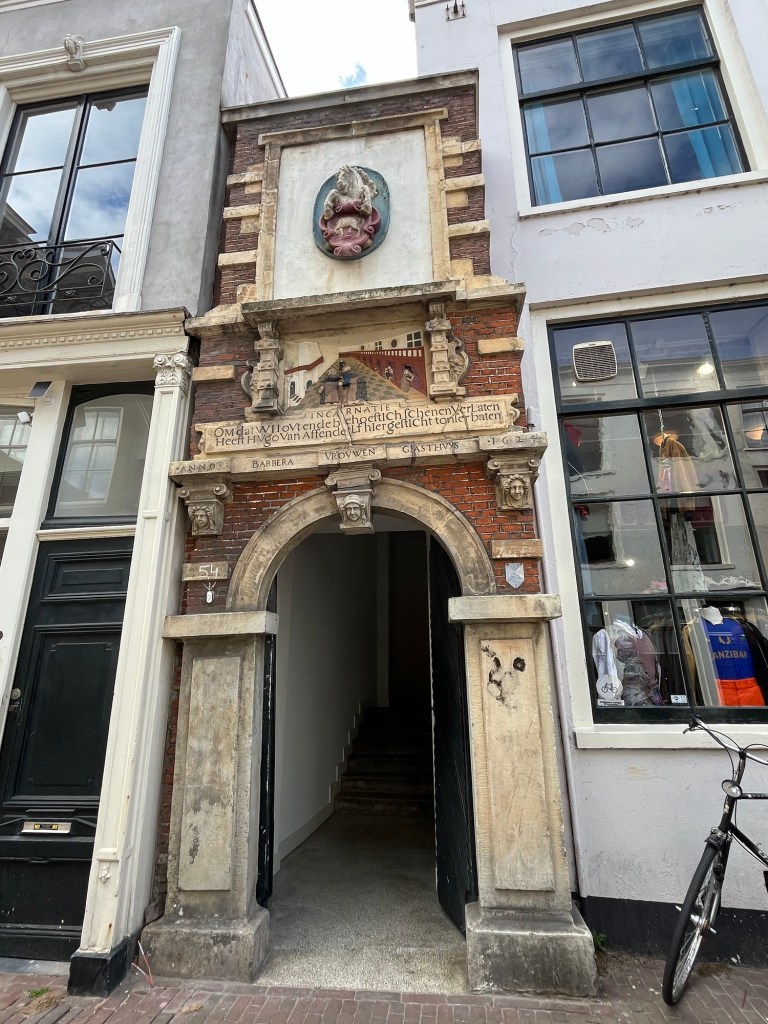

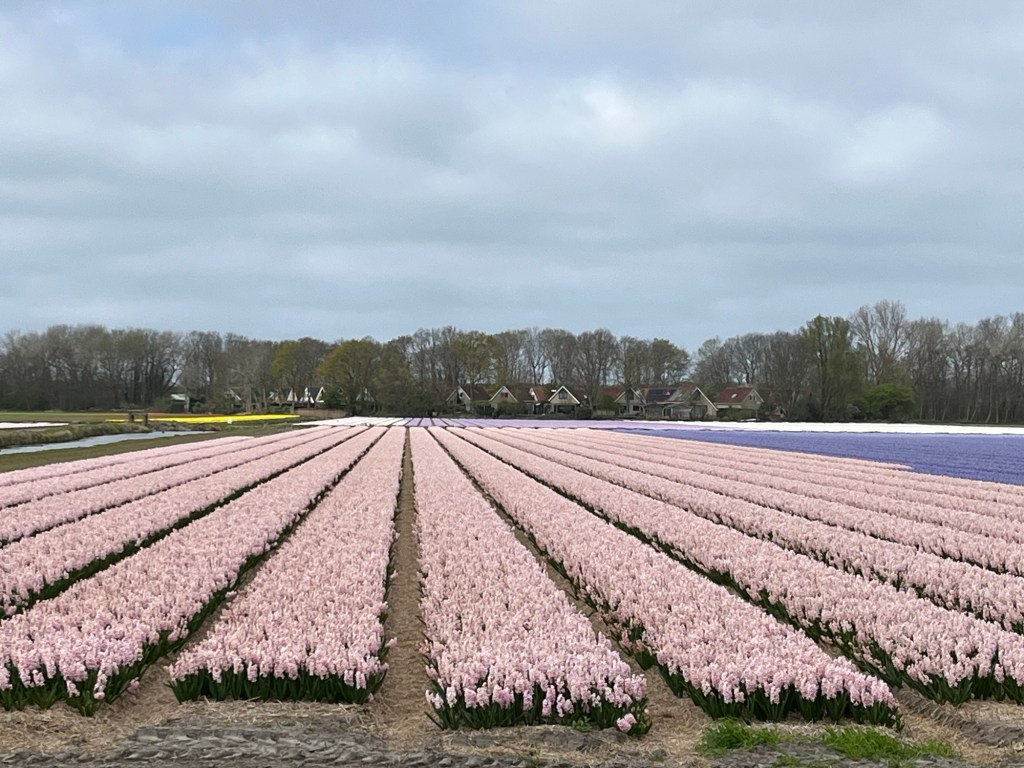
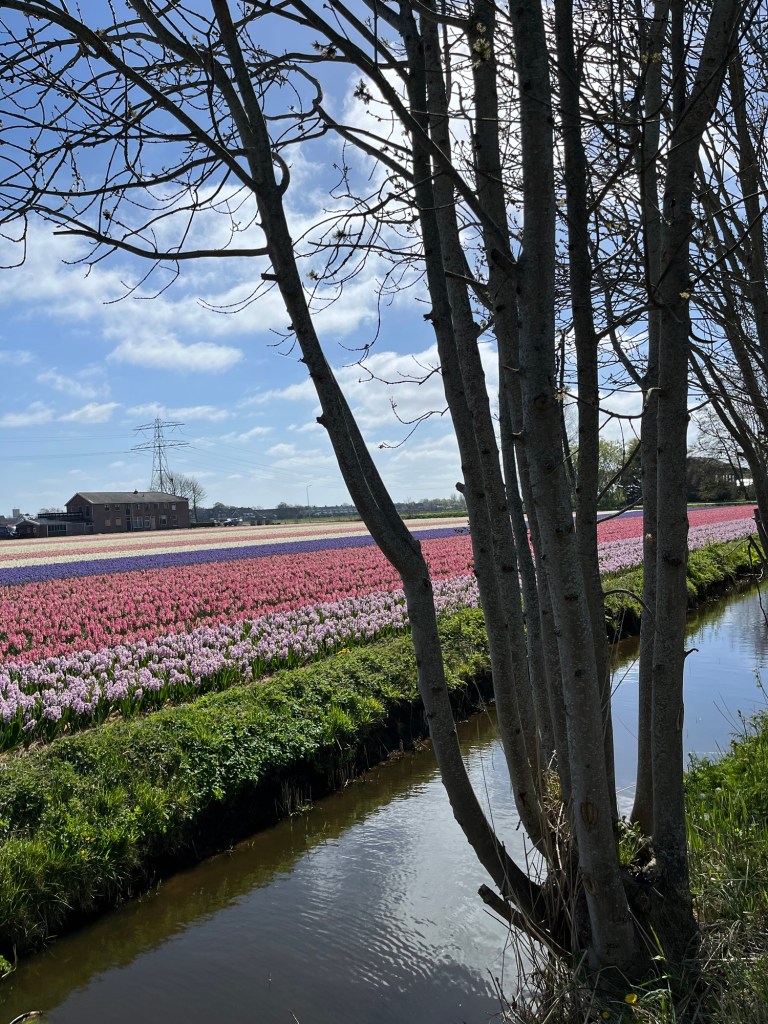
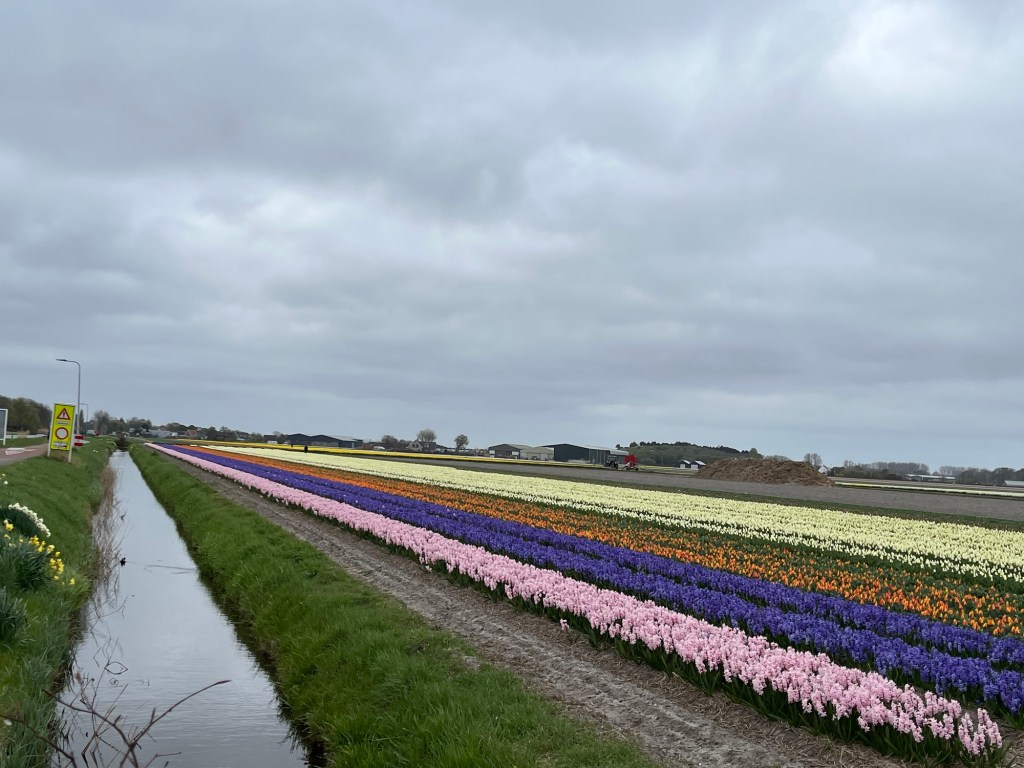
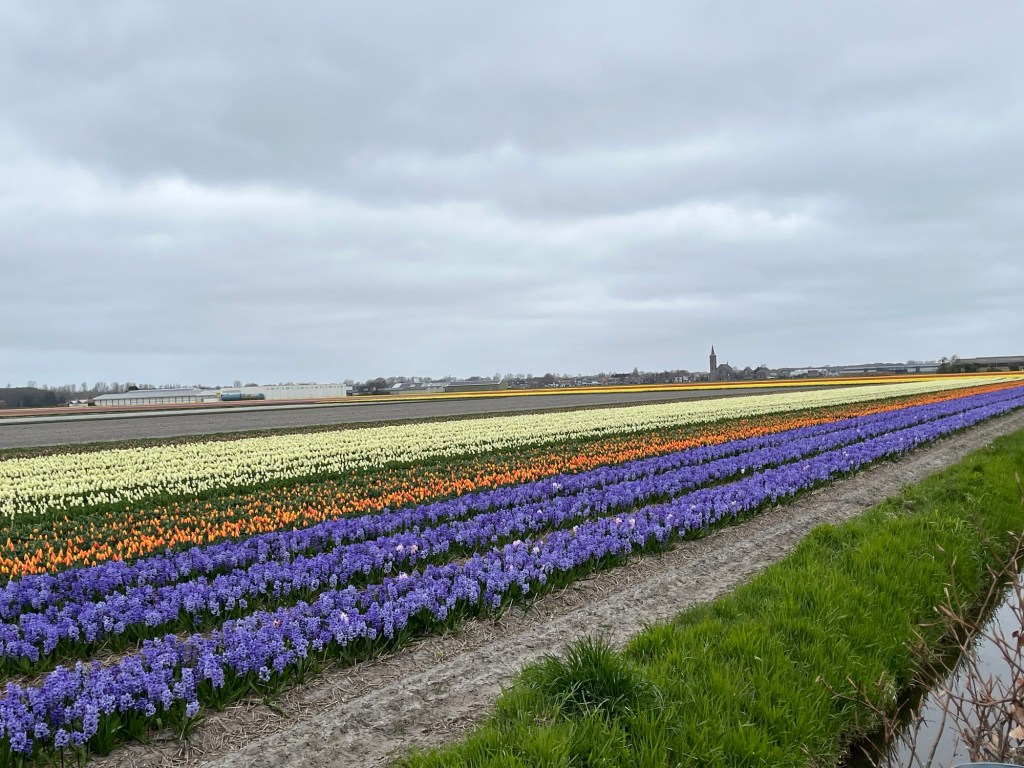
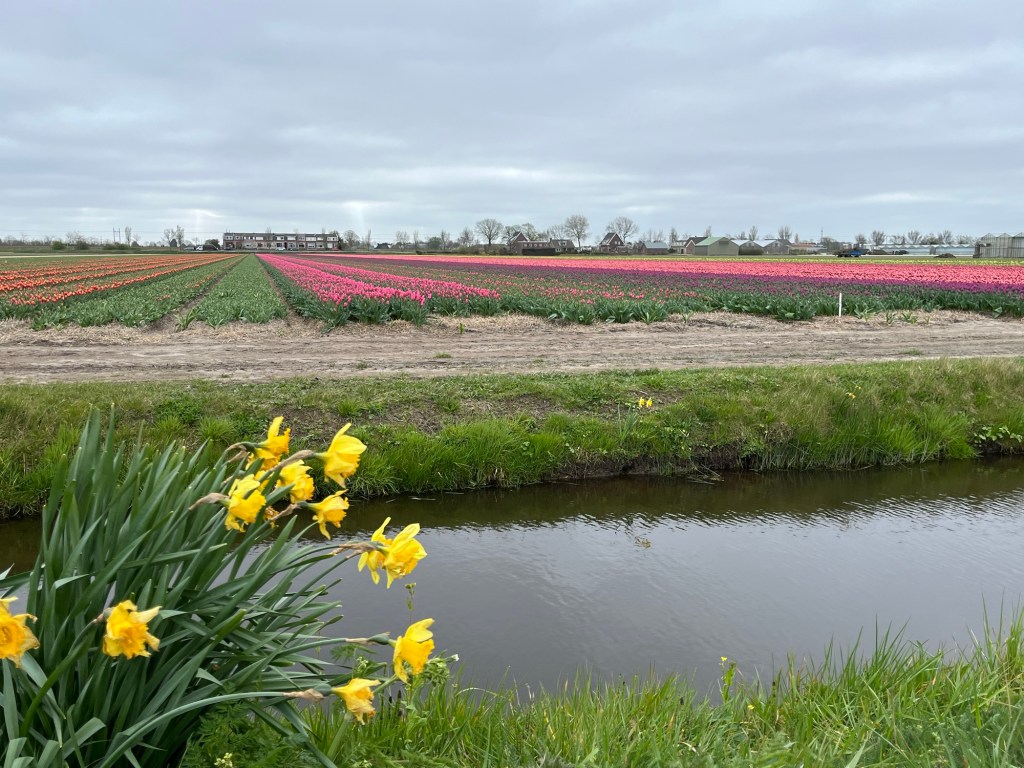
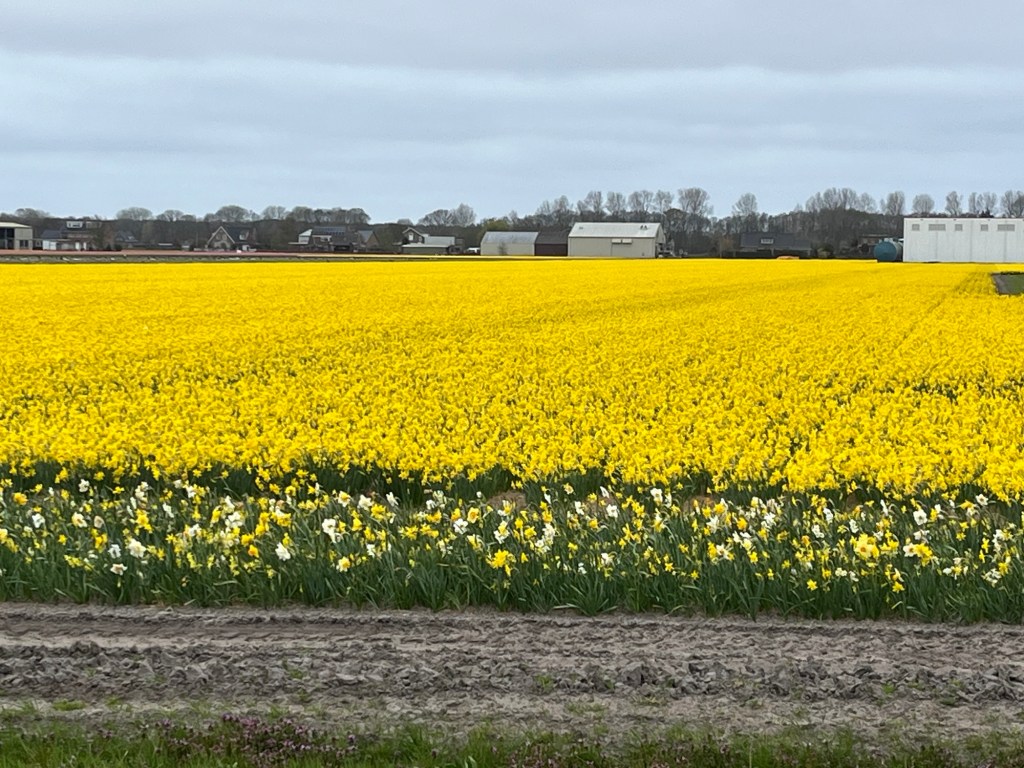
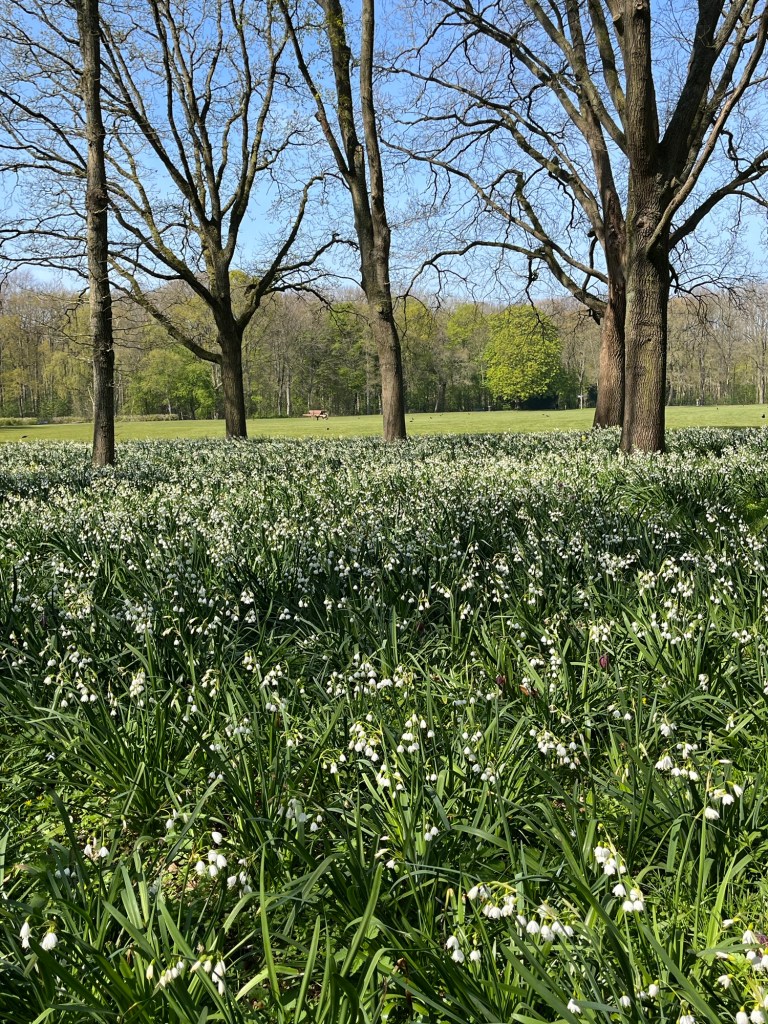
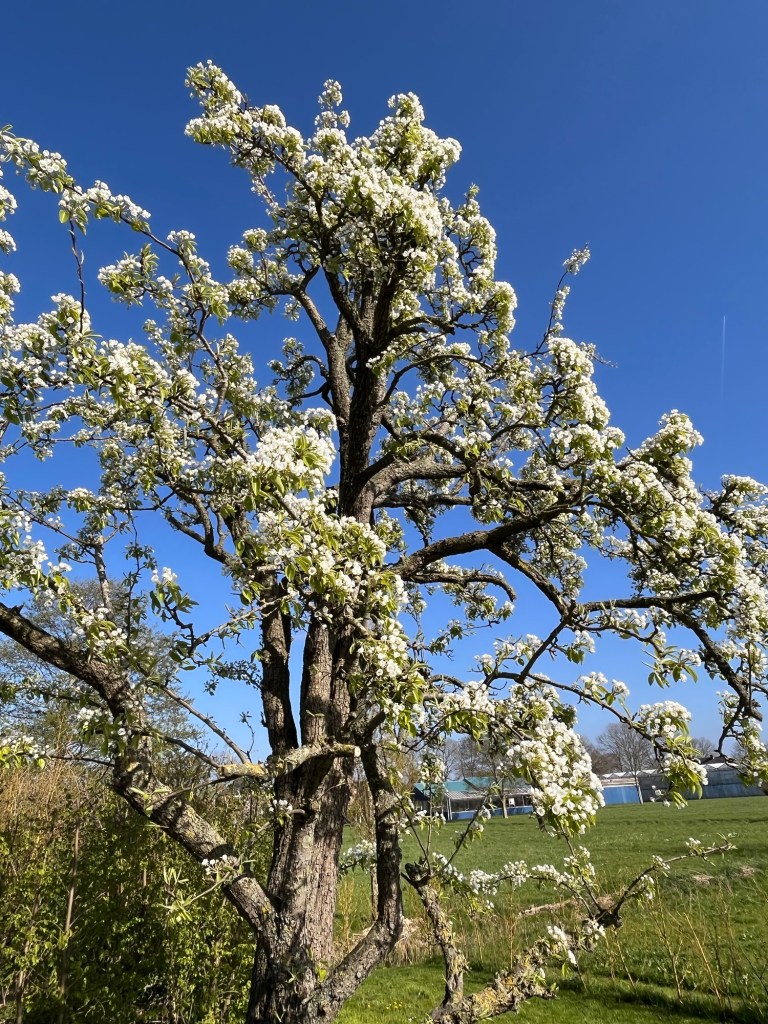
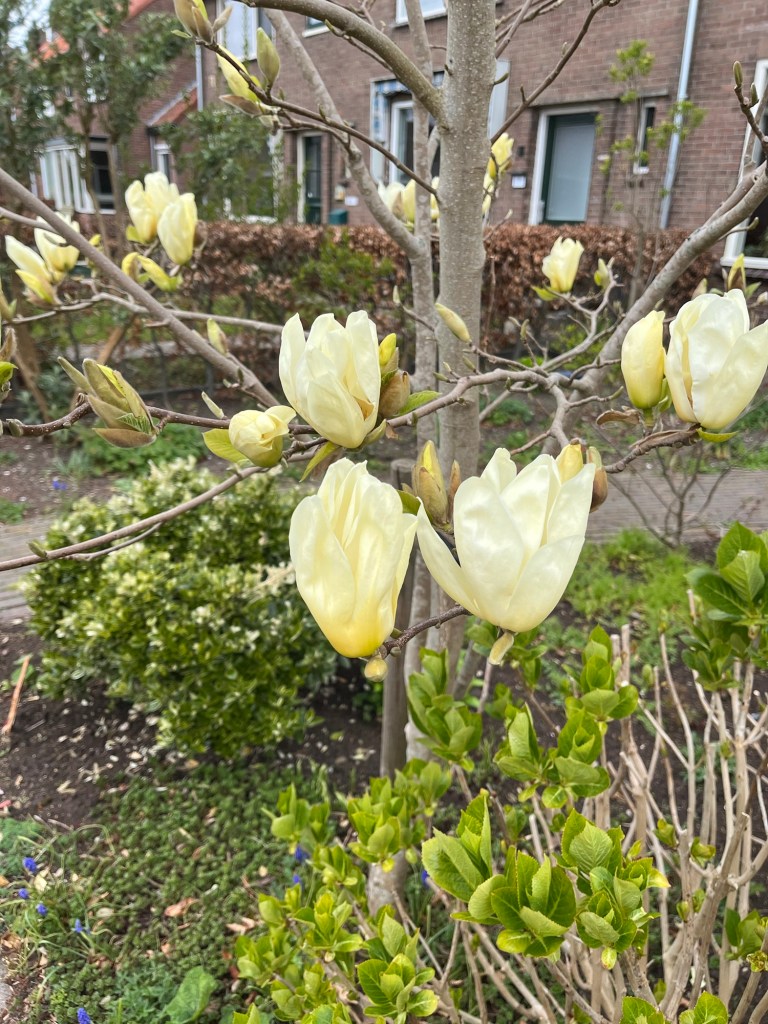
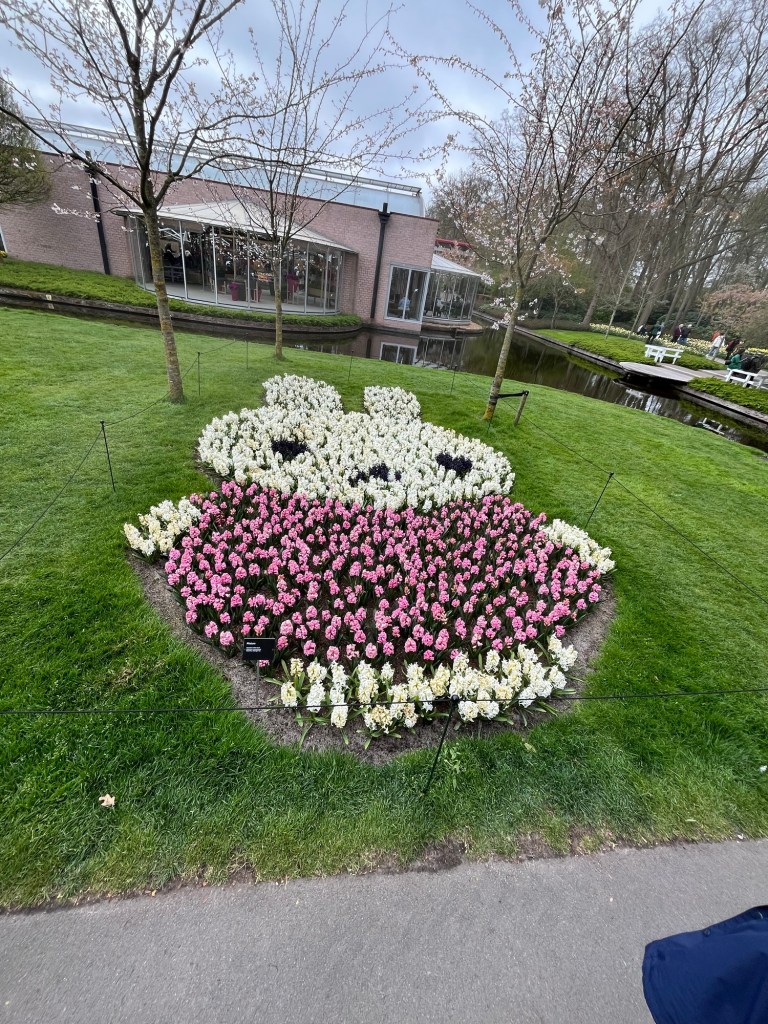
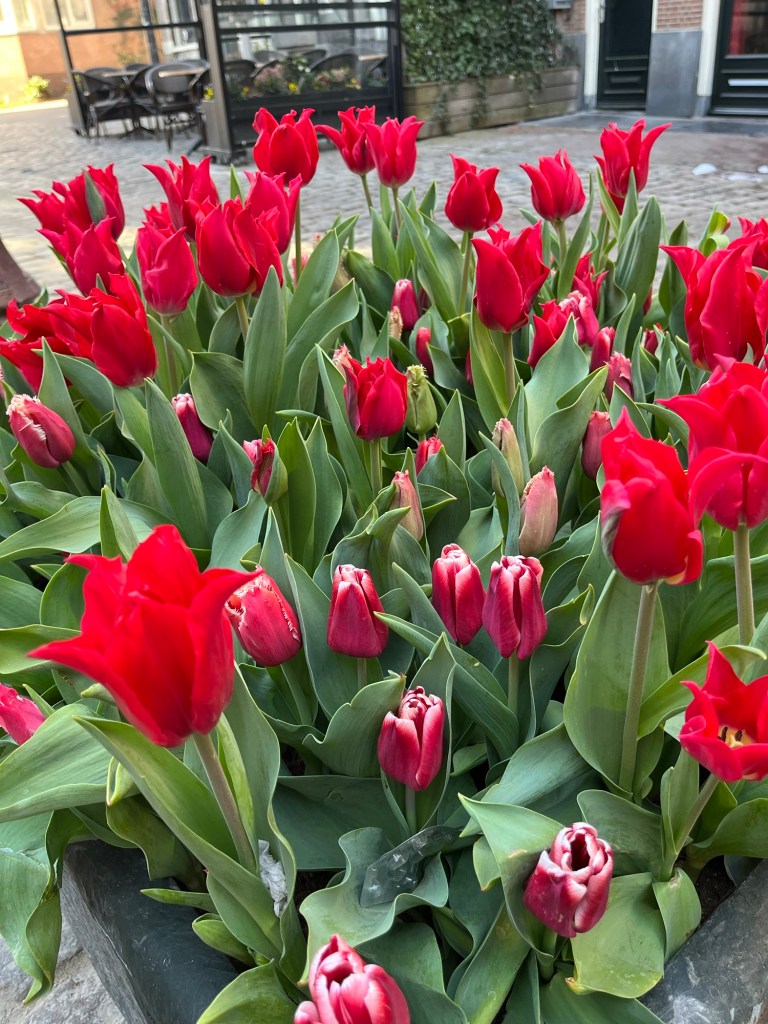
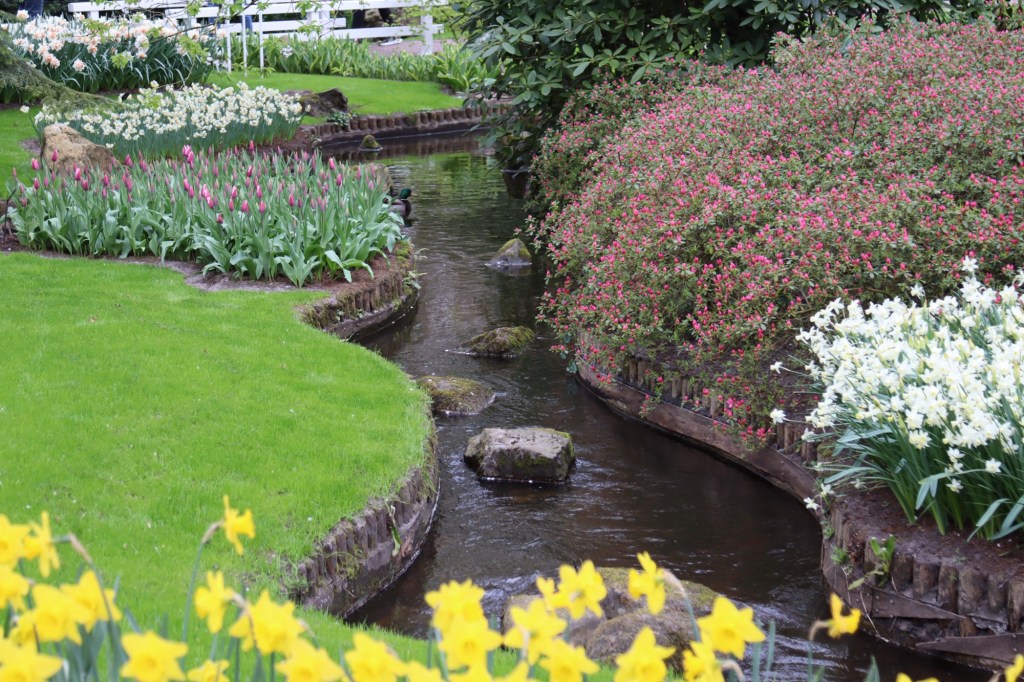
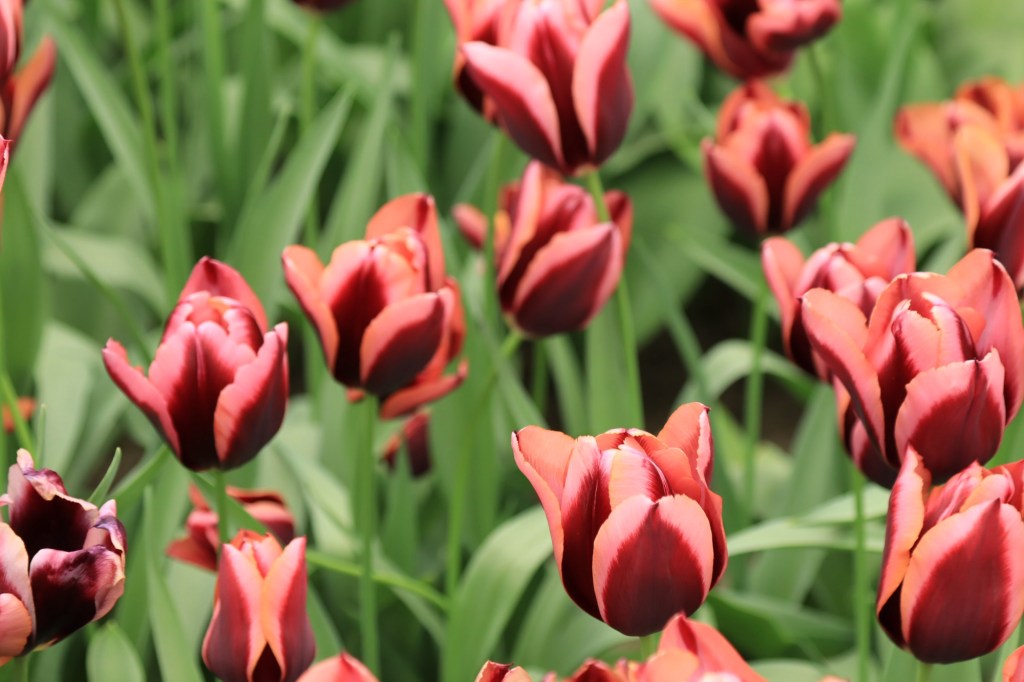
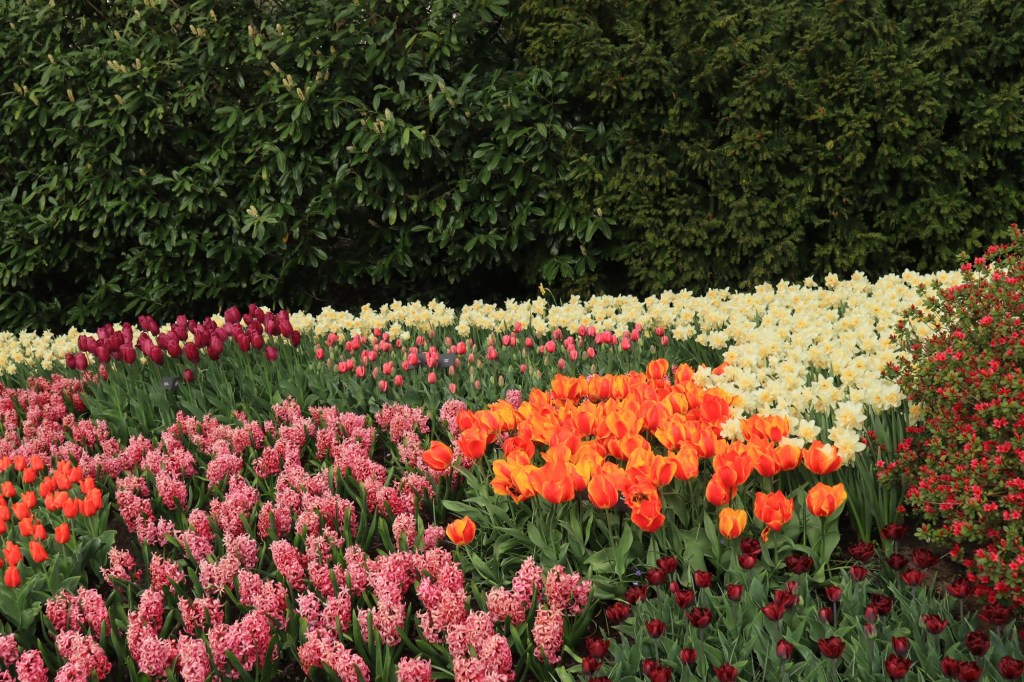
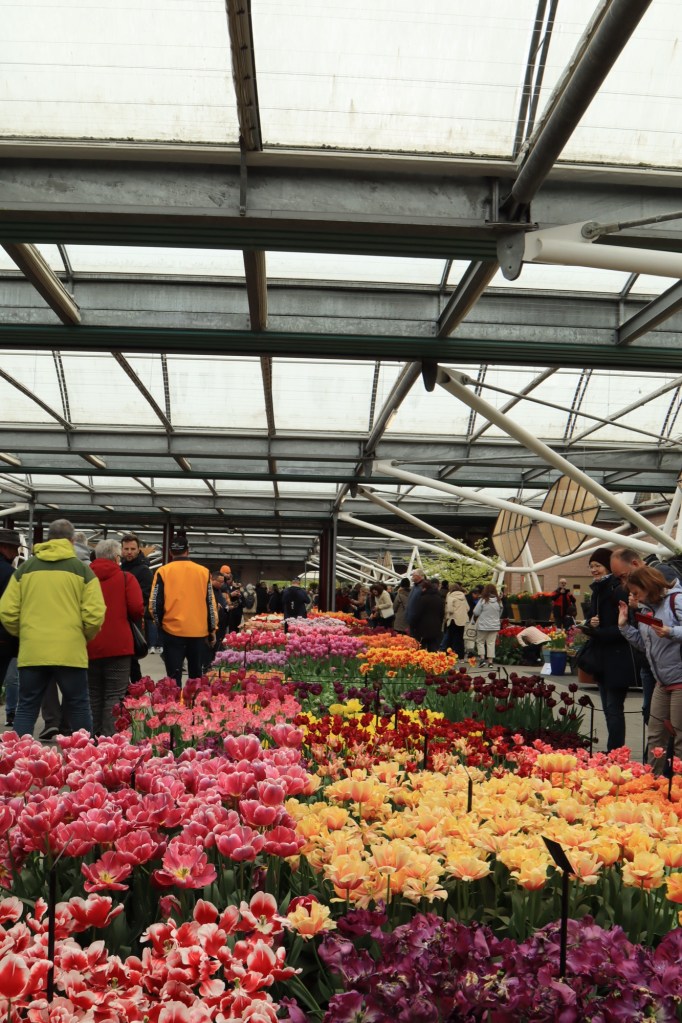
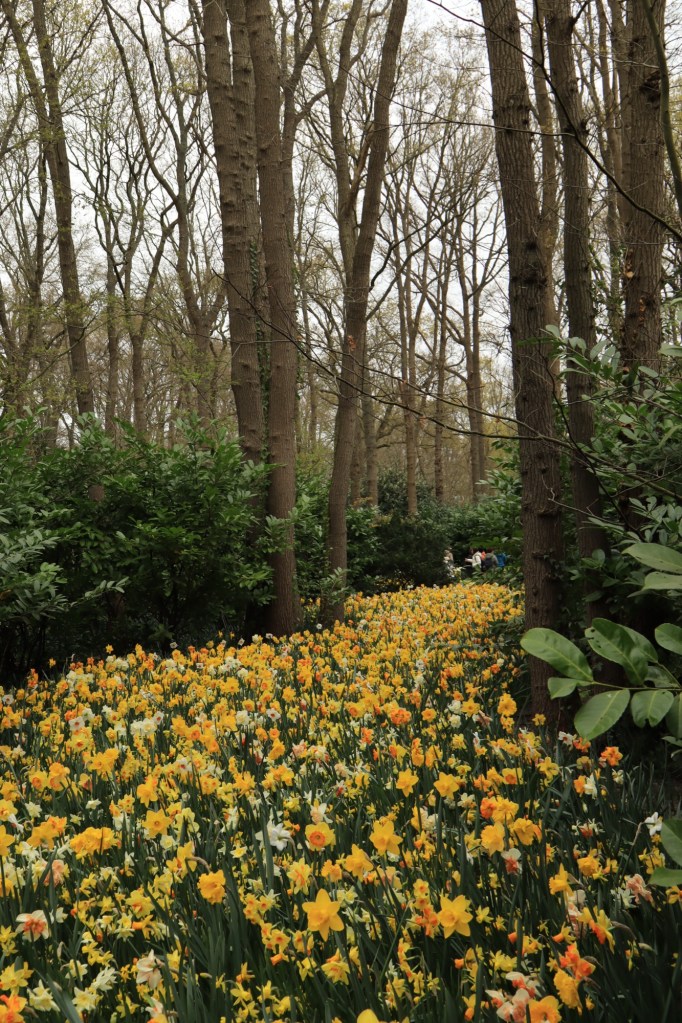
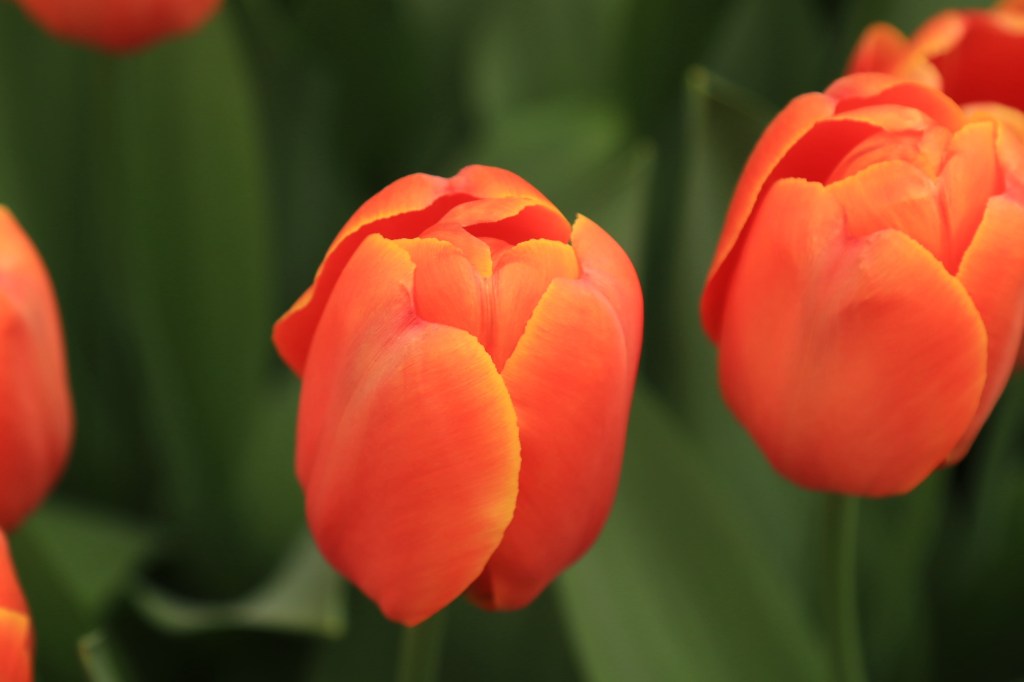
We took a spring trip to the Netherlands that was timed perfectly to see oodles of flowers! We biked all over (highly recommended, the country is set up for biking and no one tries to run you off the roads). These pictures were taken south of Haarlem and on to the Keukenhof. The Keukenhof is probably the most famous flower park.









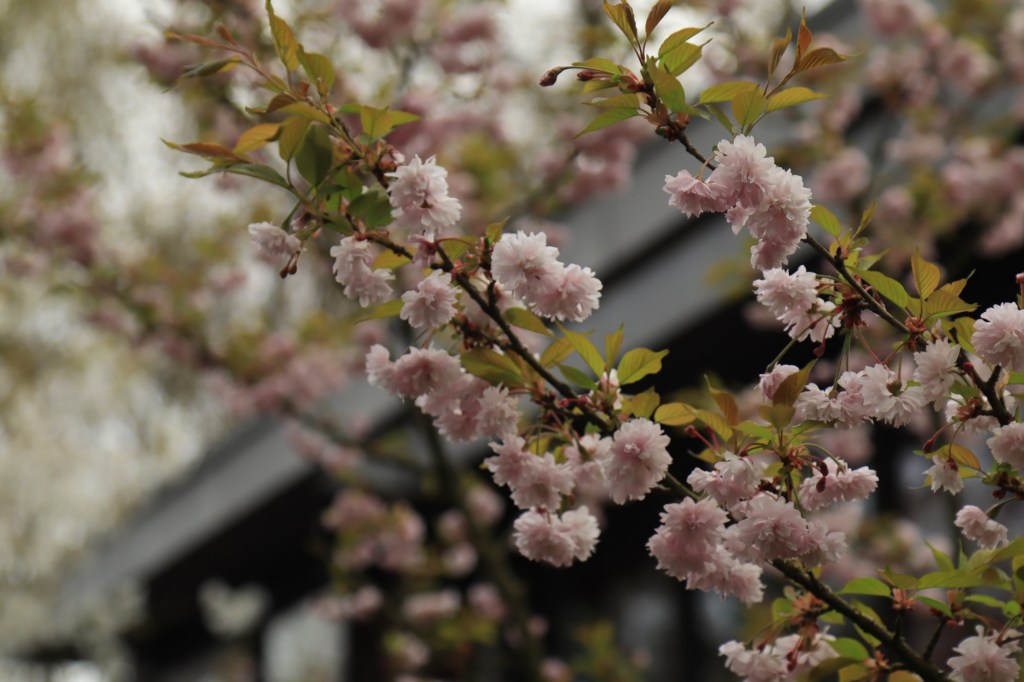



A small Shinto shrine in northern Honshu, Japan. An ancient shrine site, it celebrated the hunt and harvest. Aomori is the primary Apple growing region in Japan.
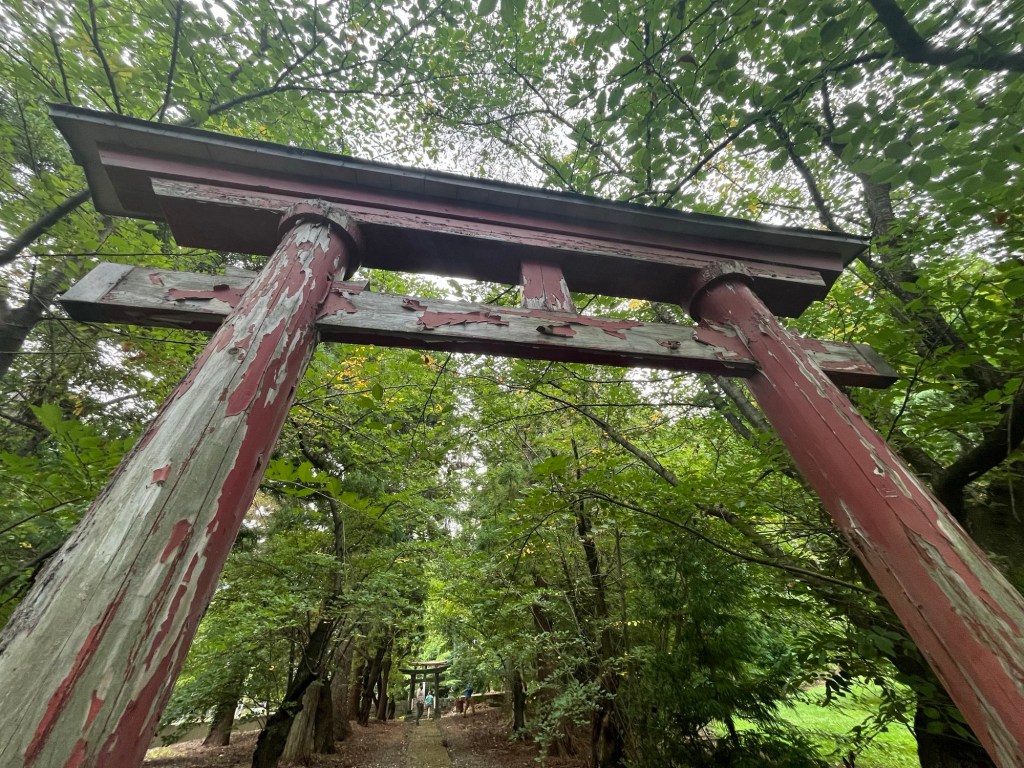
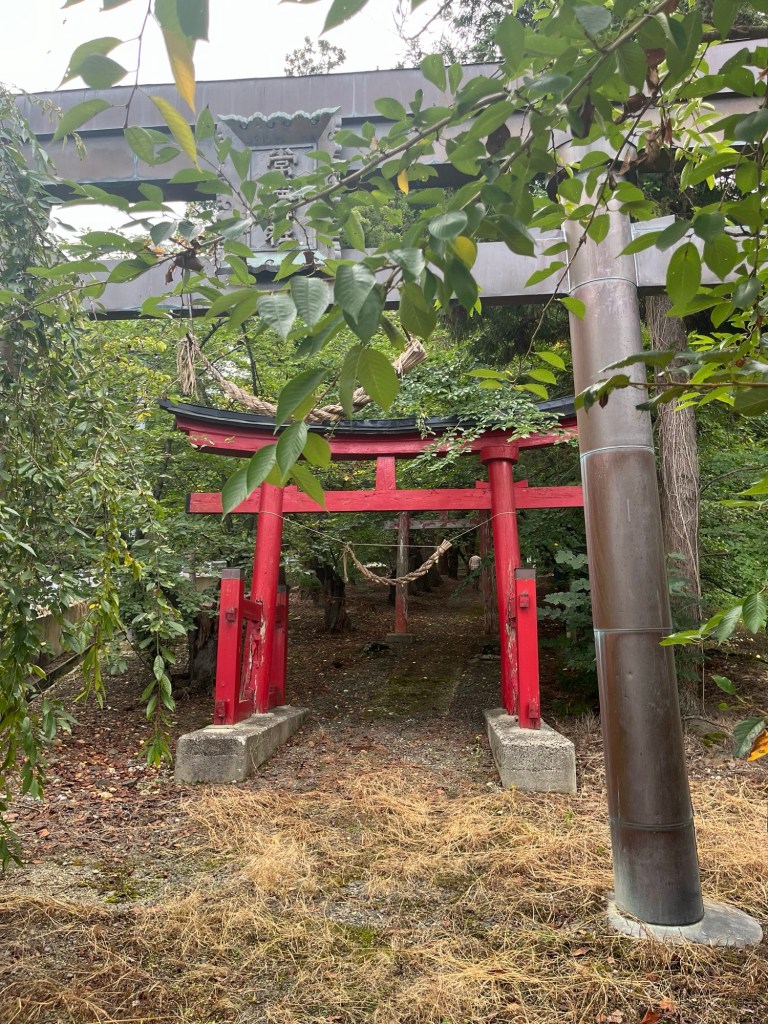


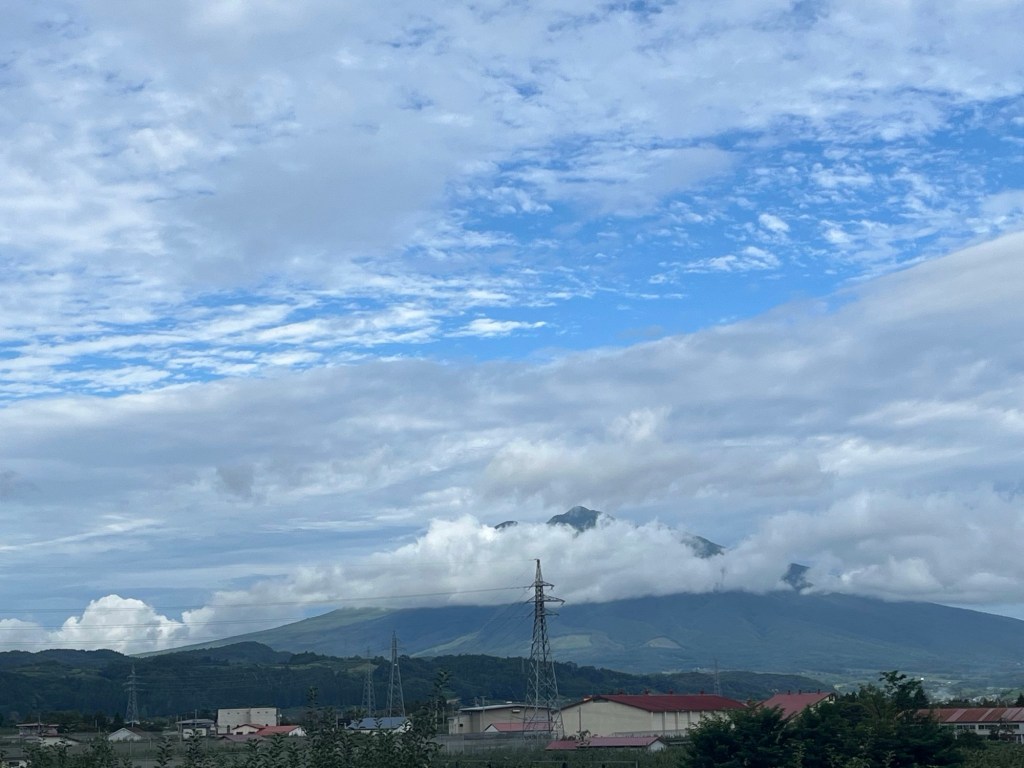
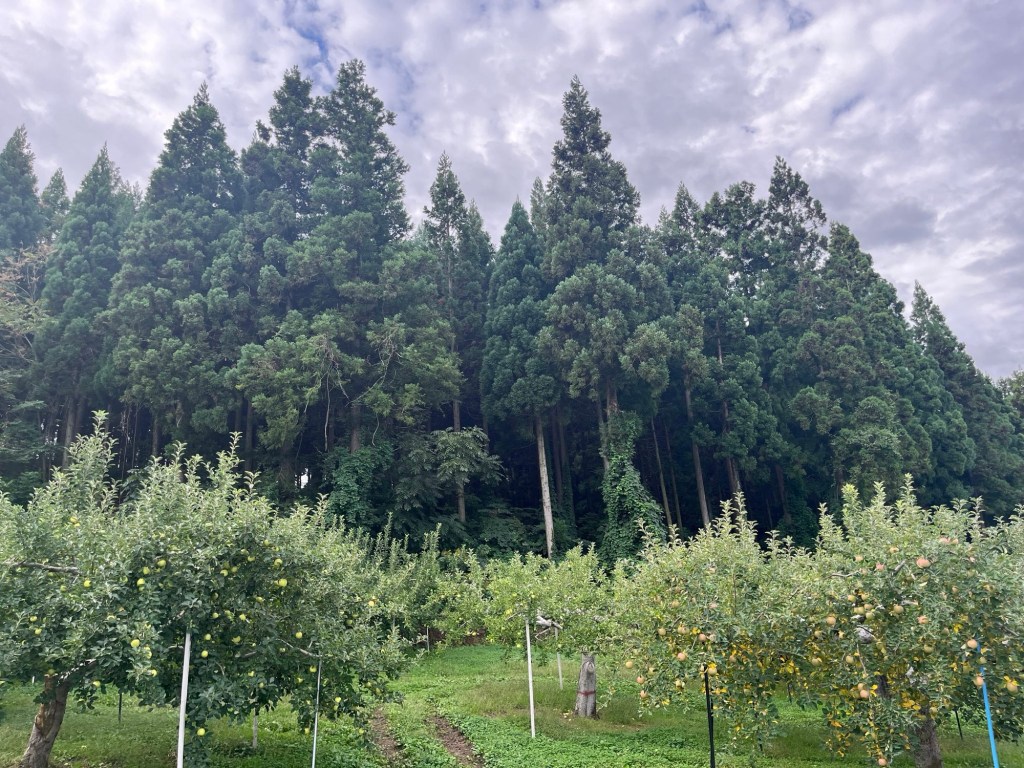
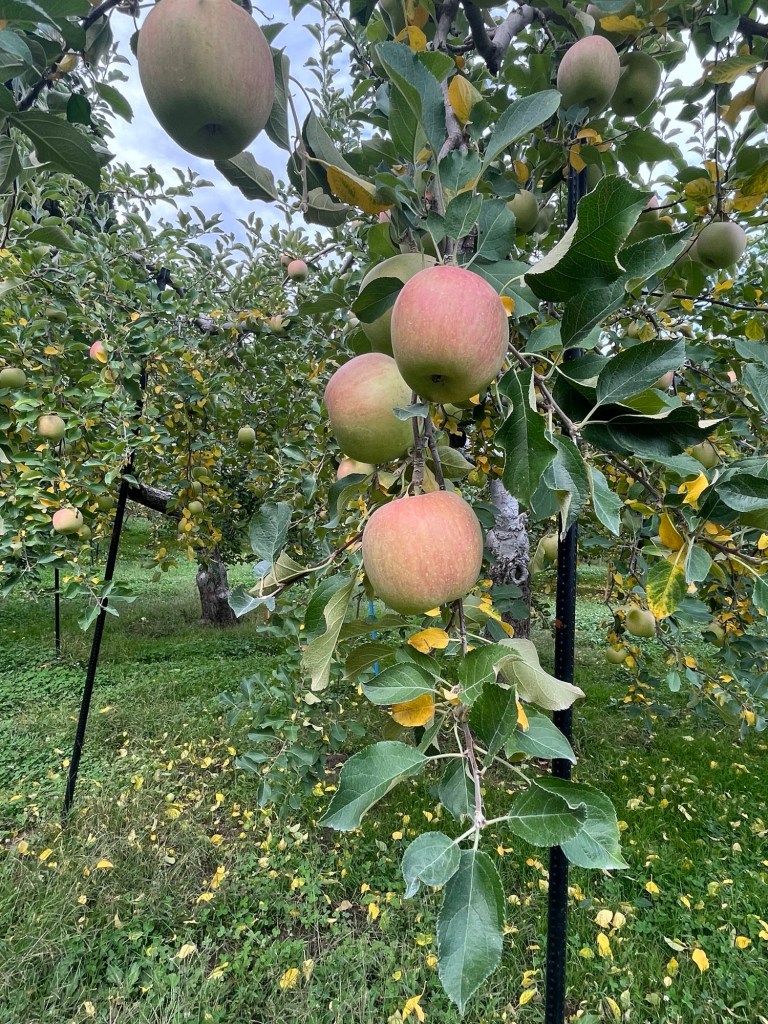
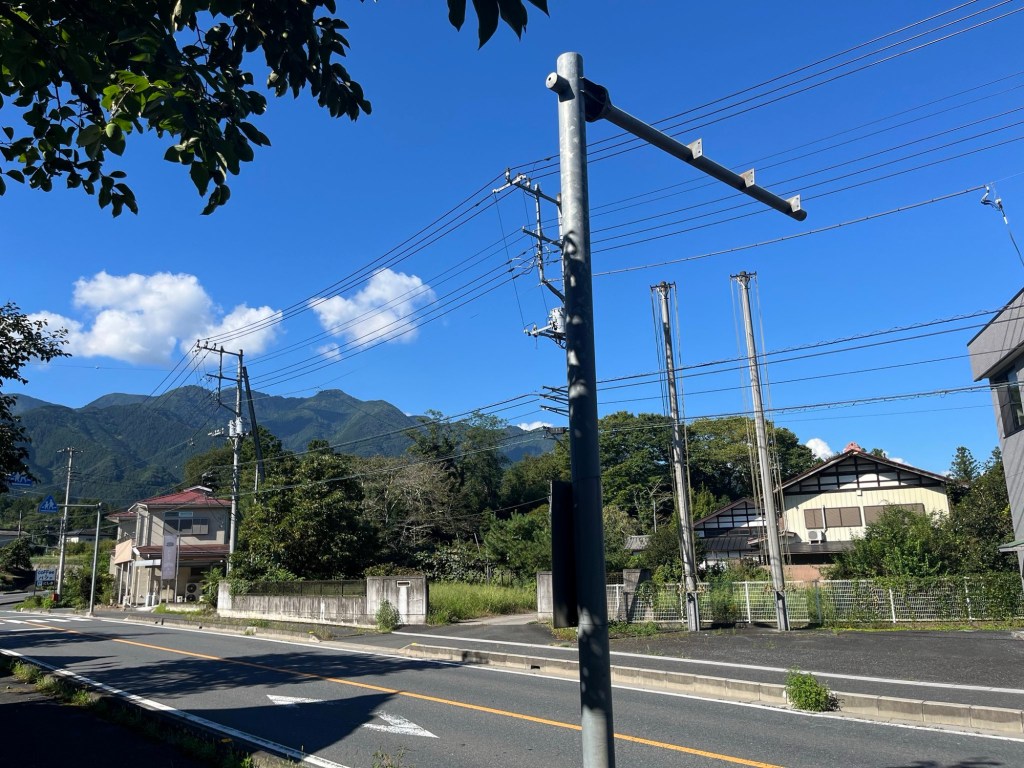
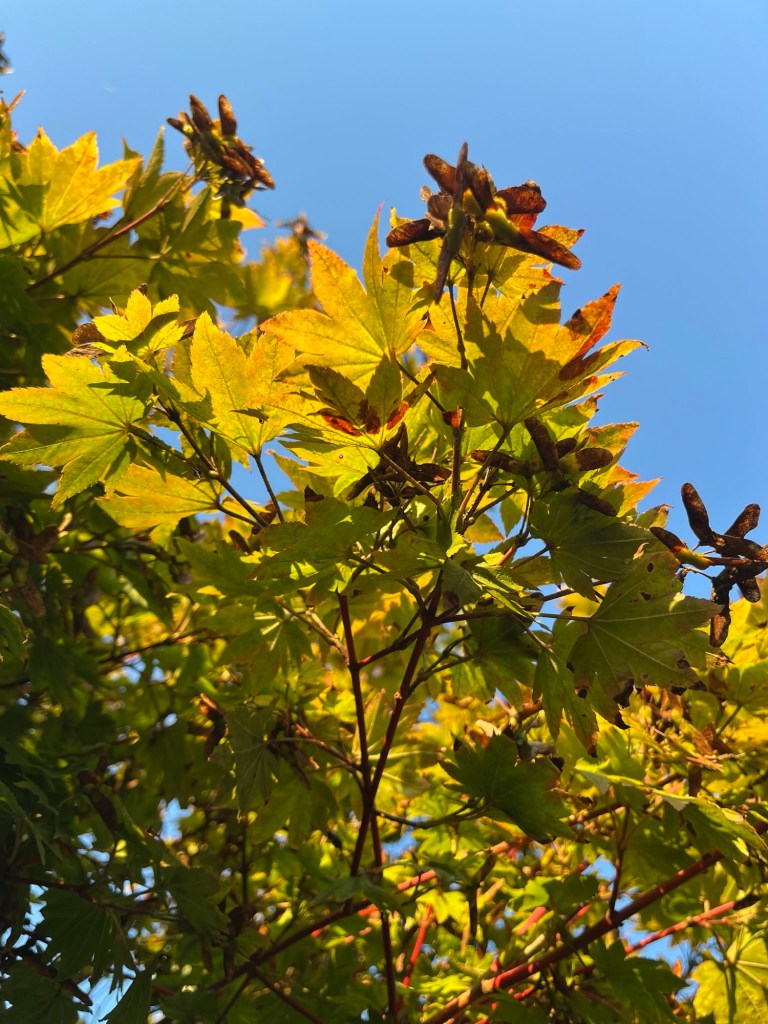
Outside Chichibu in Saitama Prefecture, Japan and one of the few wolf (okami) shrines.

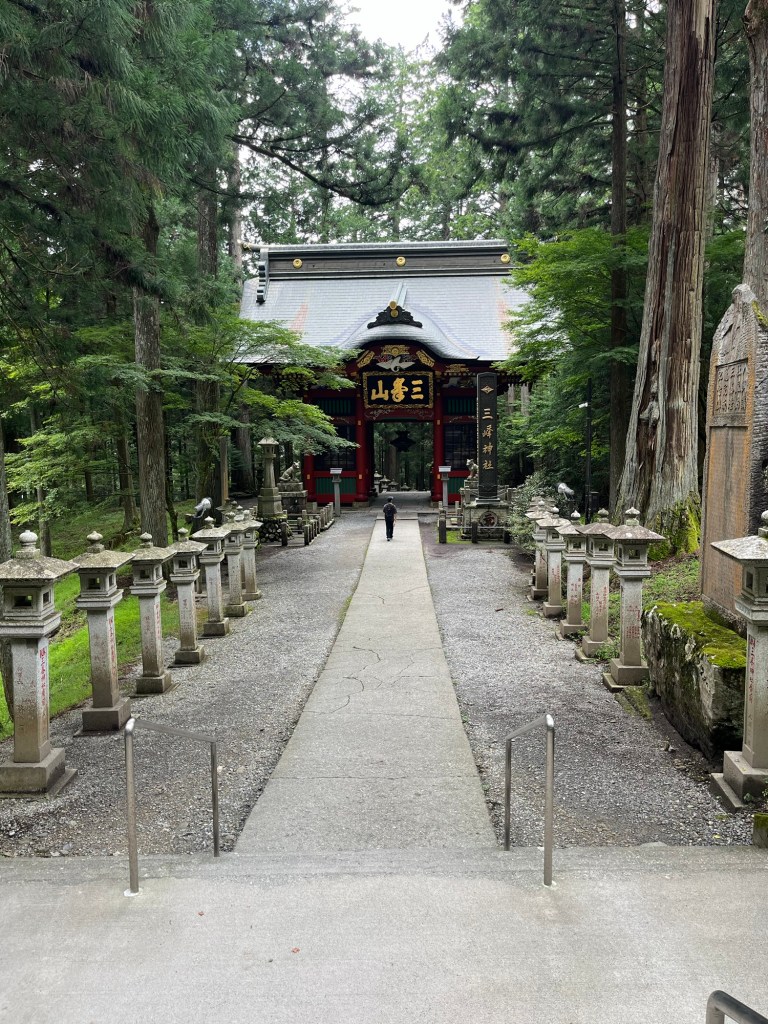
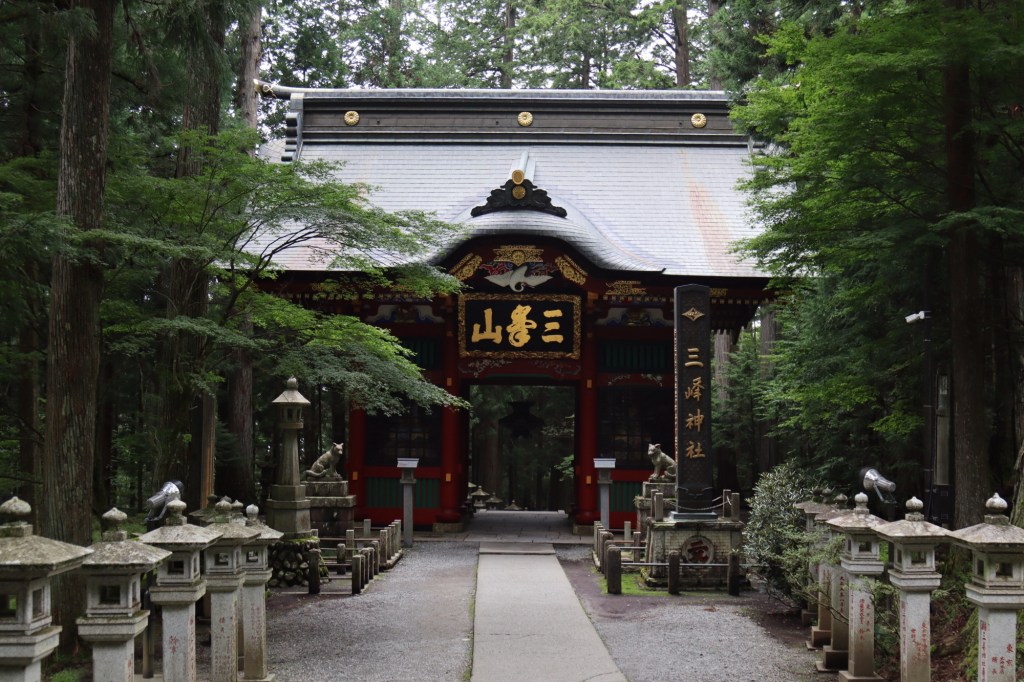
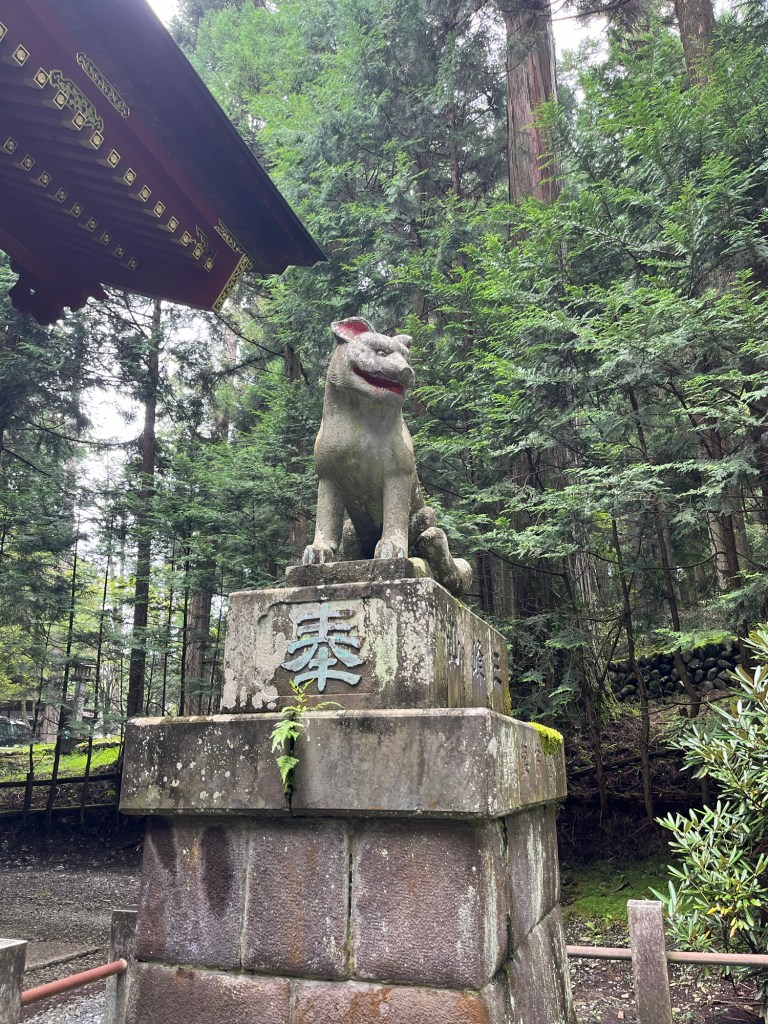
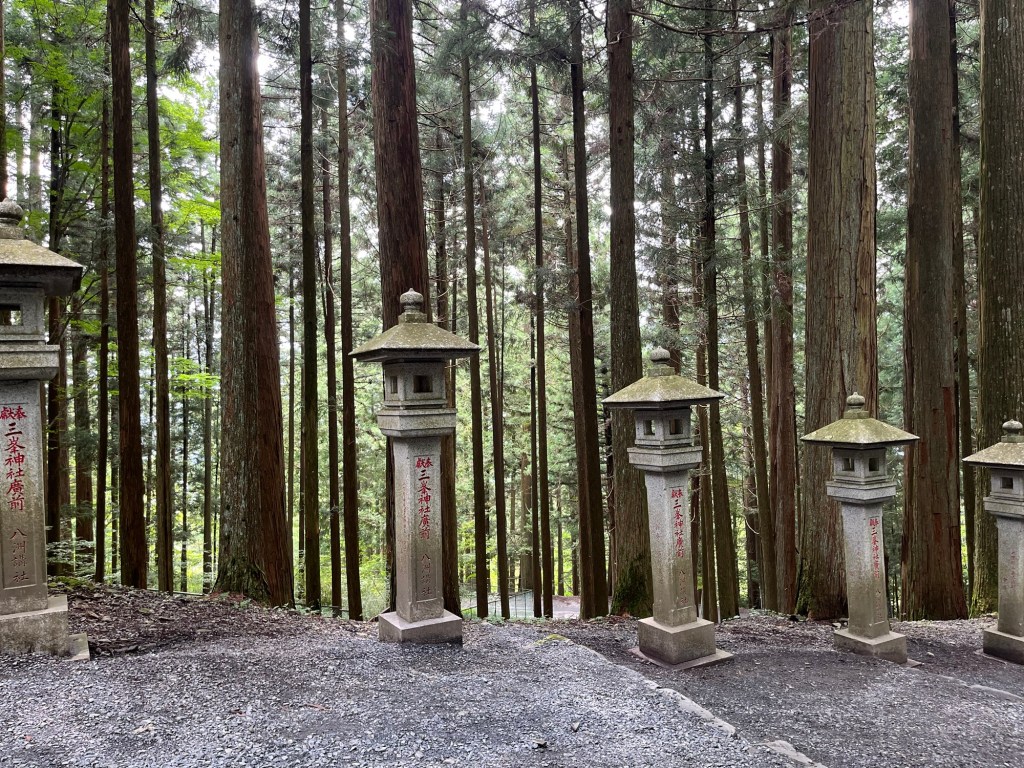


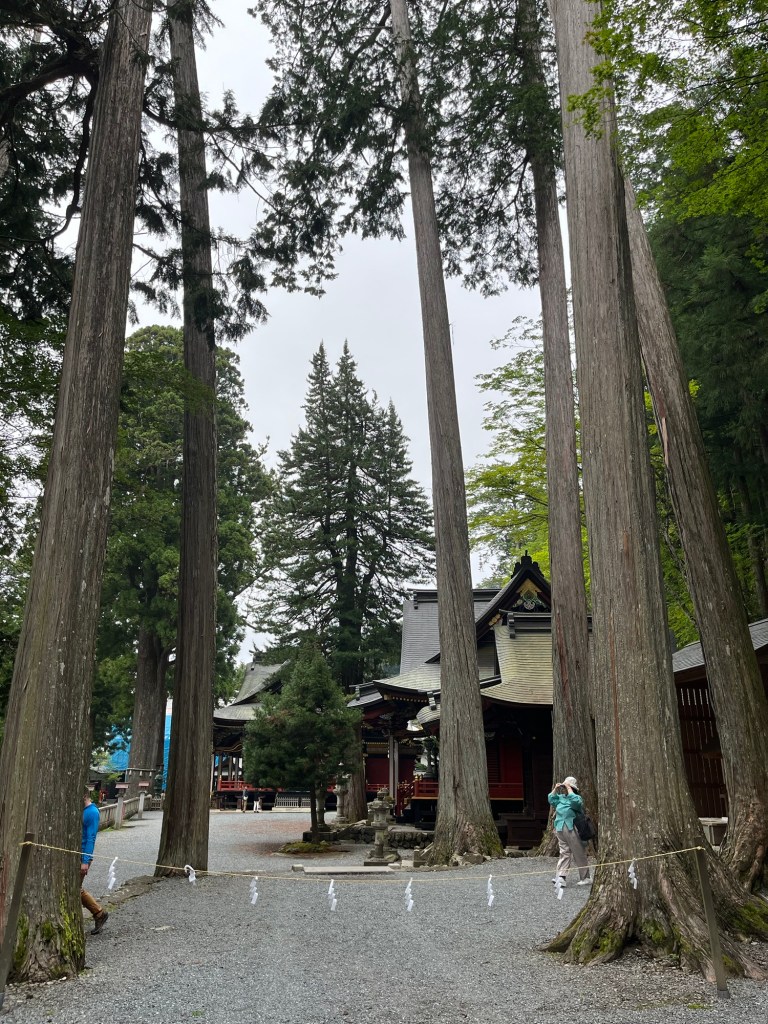

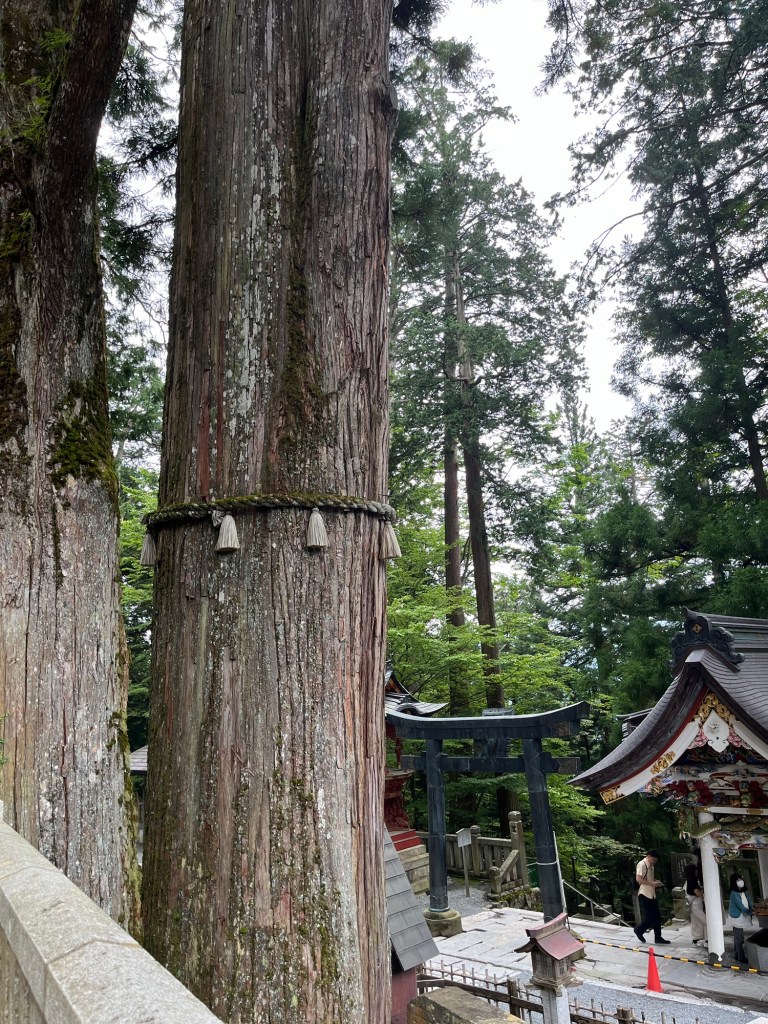


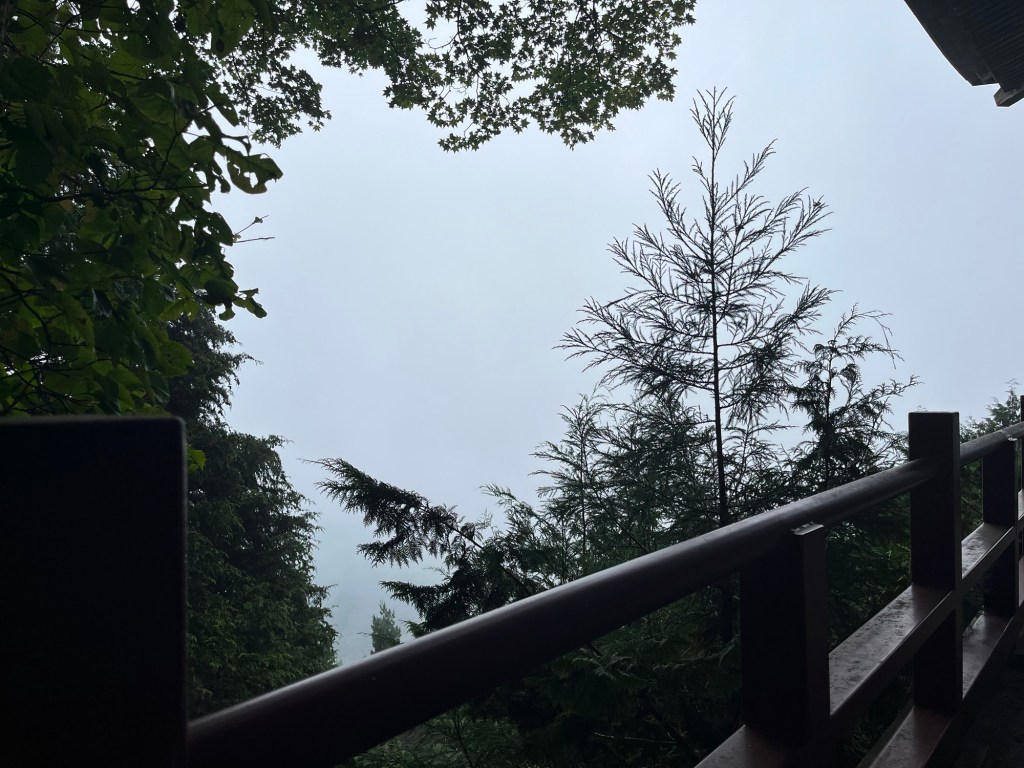


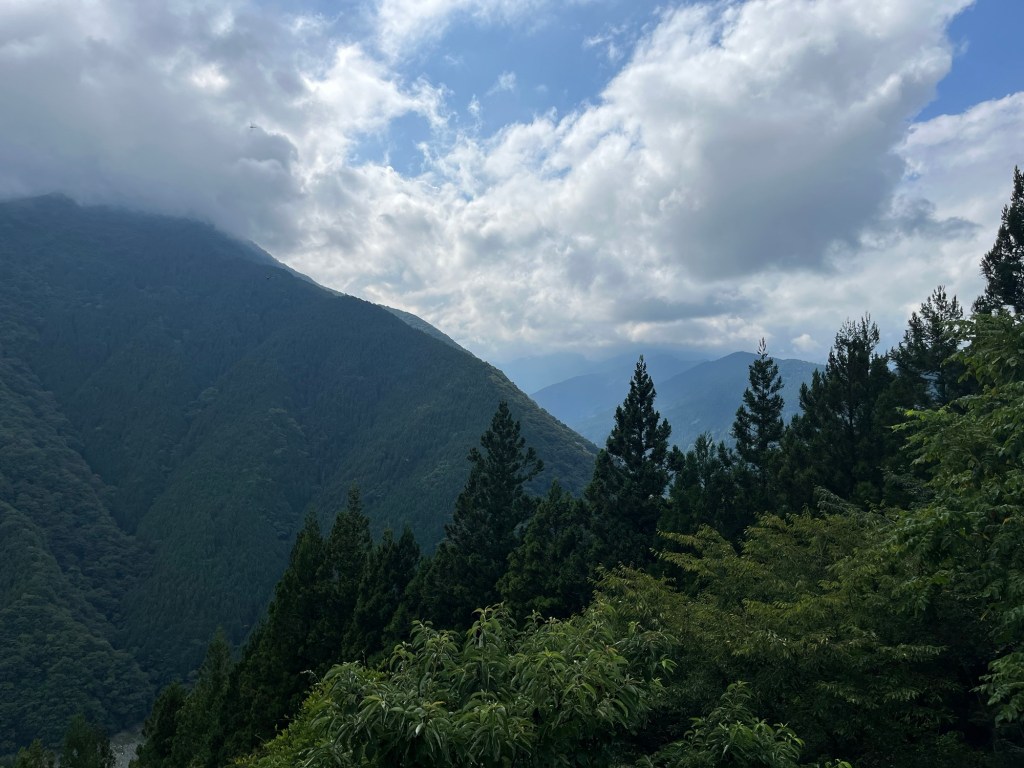

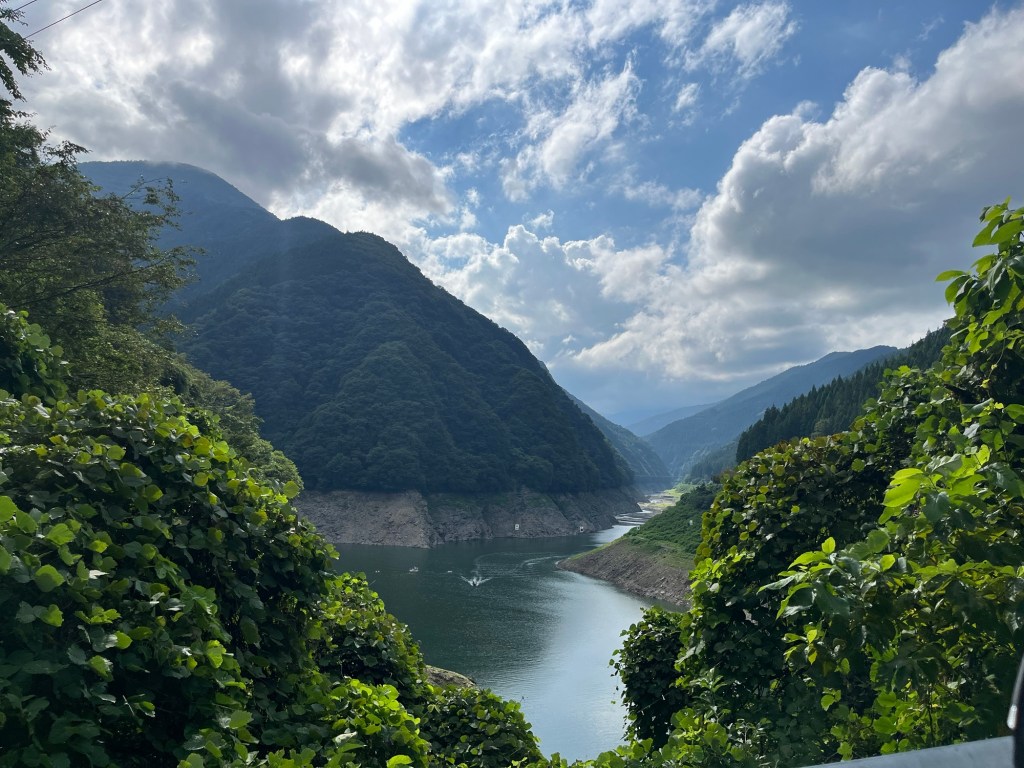
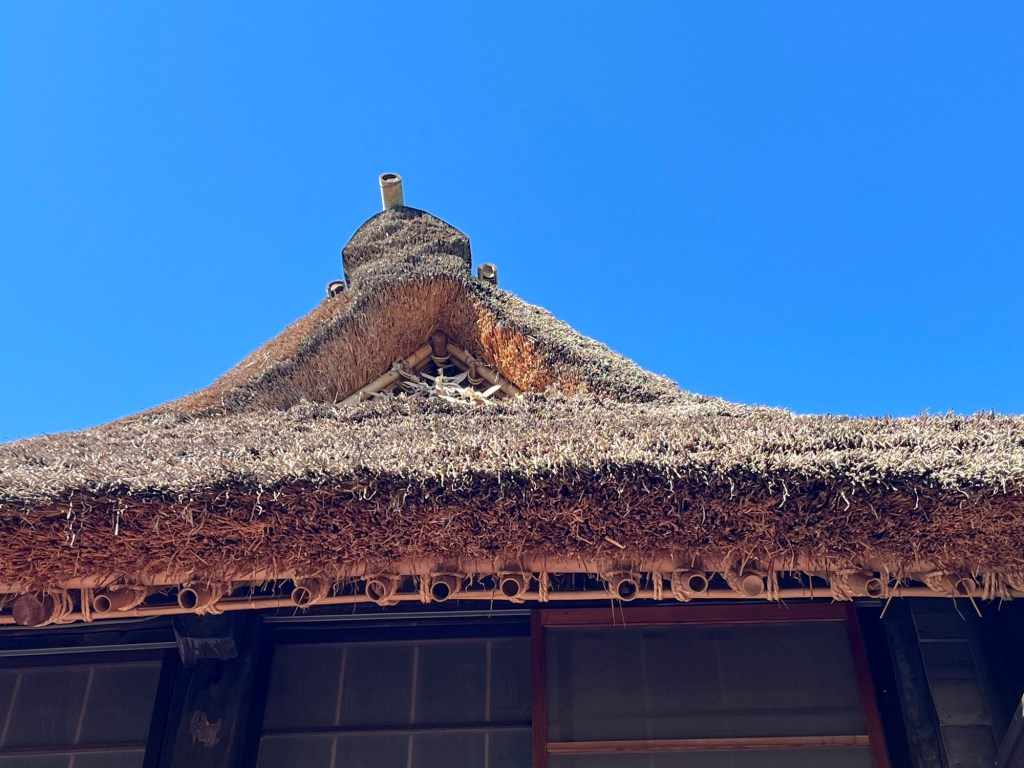
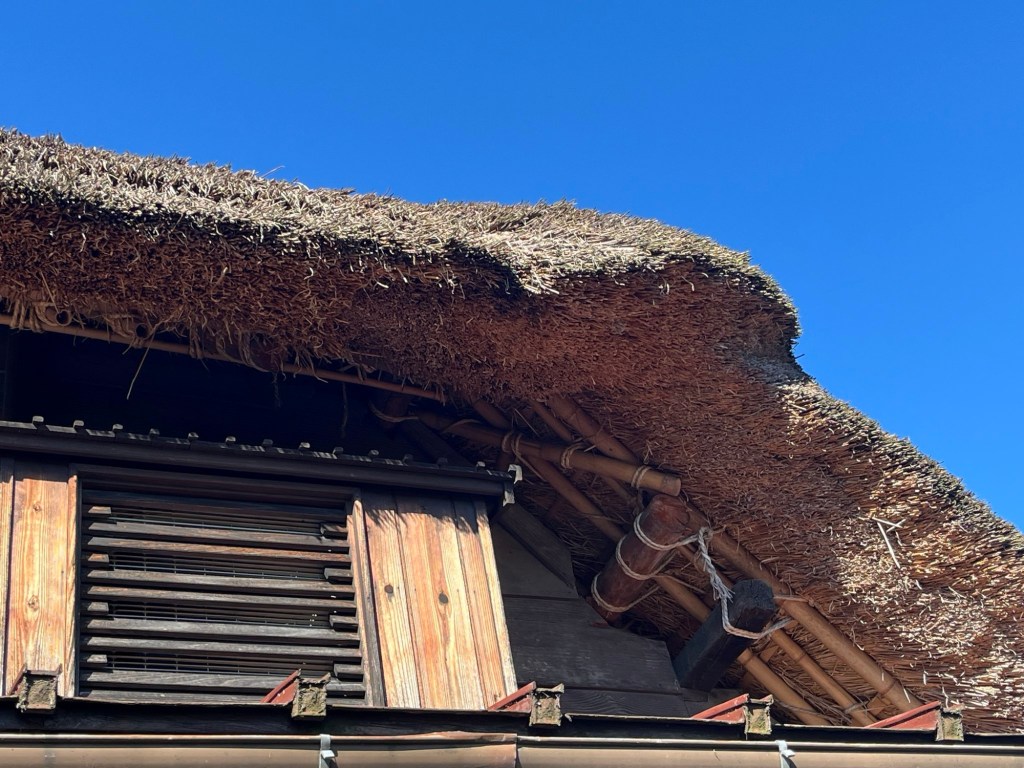
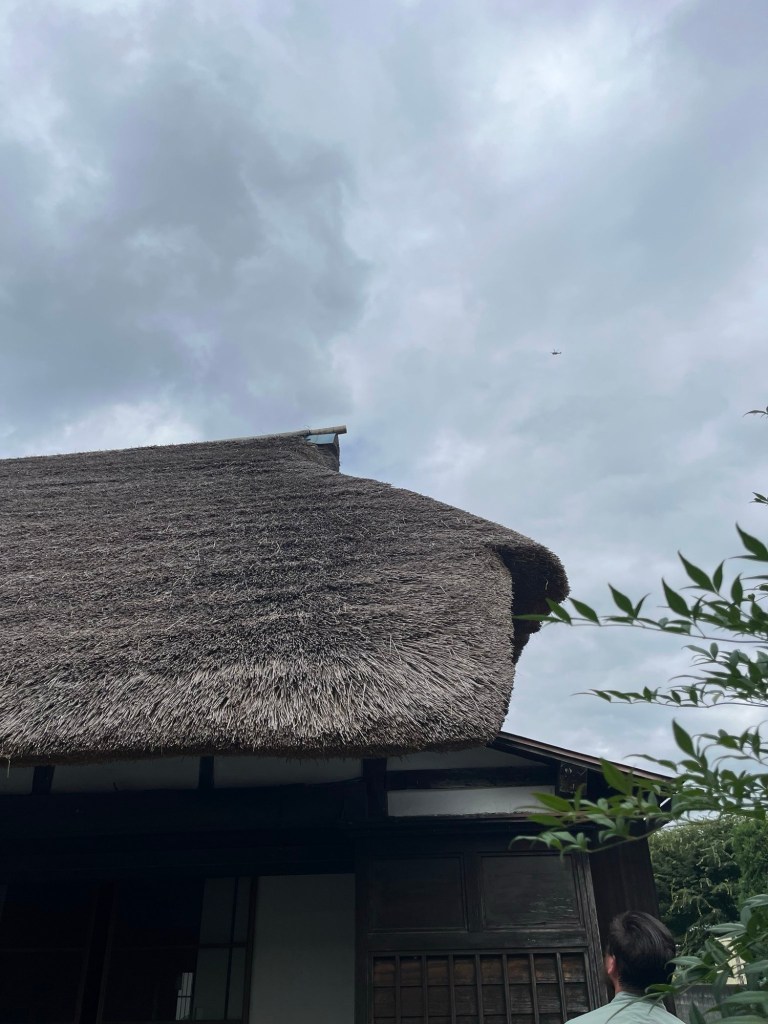
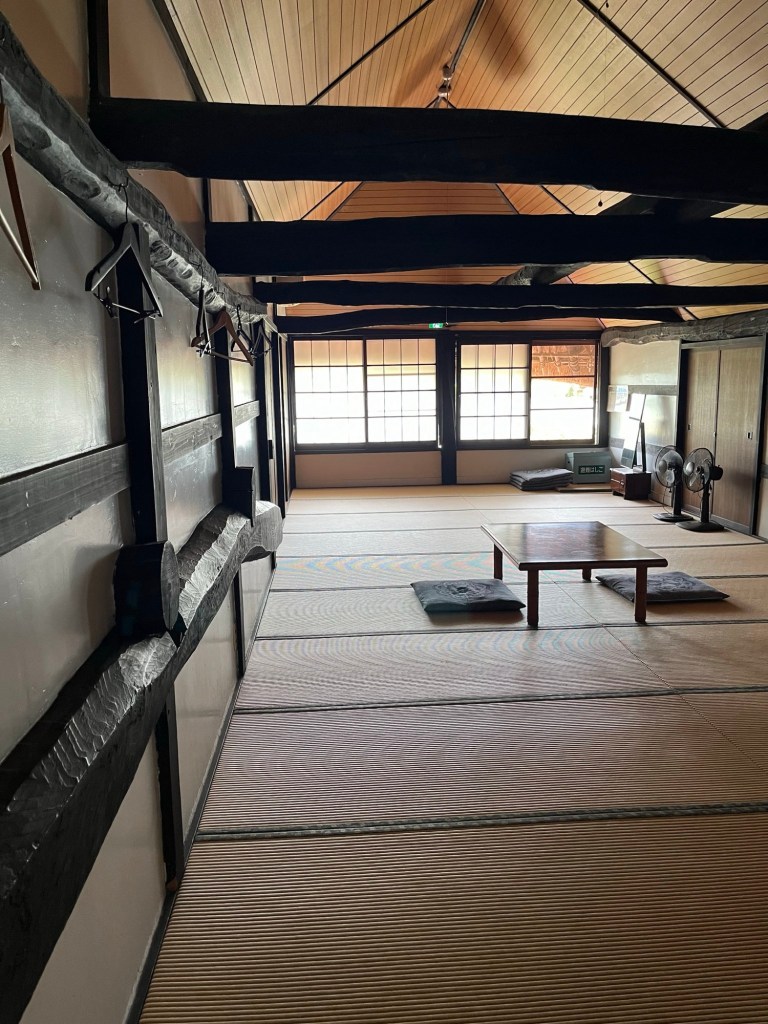
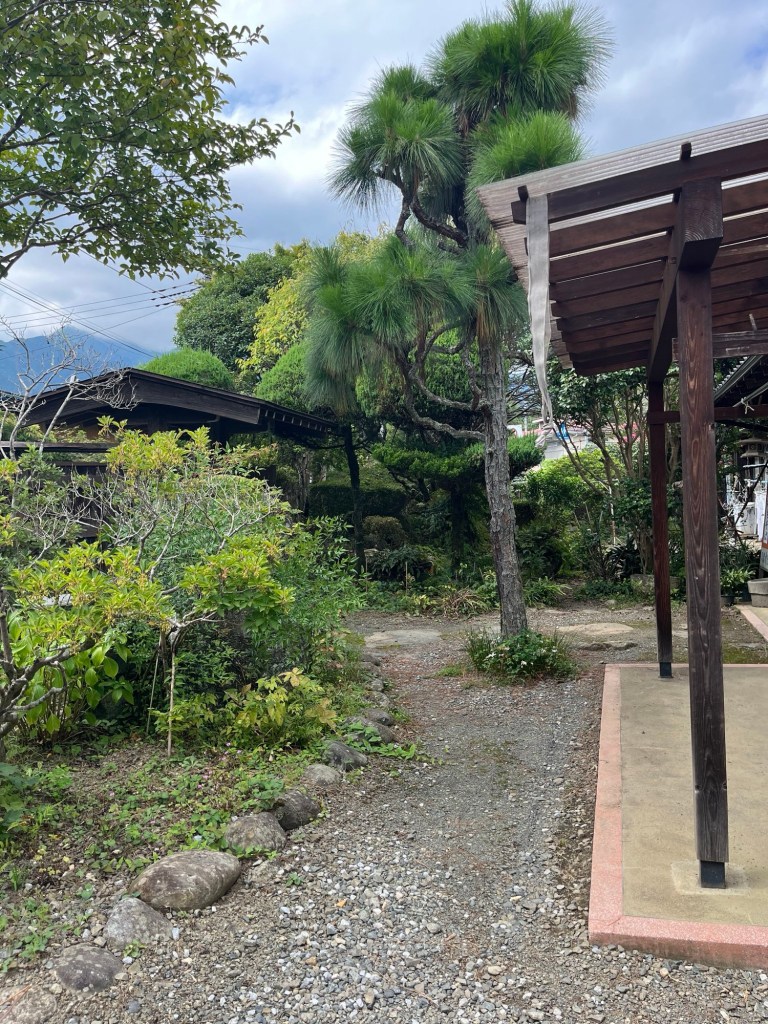
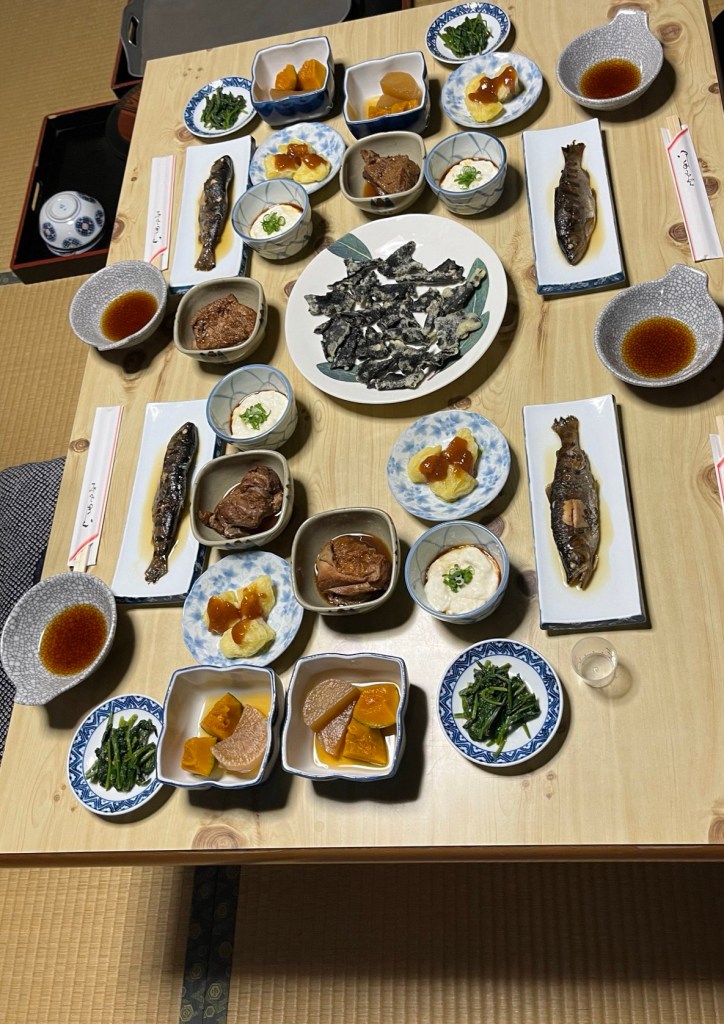
Images from an Edo-era inn outside of Chichibu, Saitama prefecture, Japan.








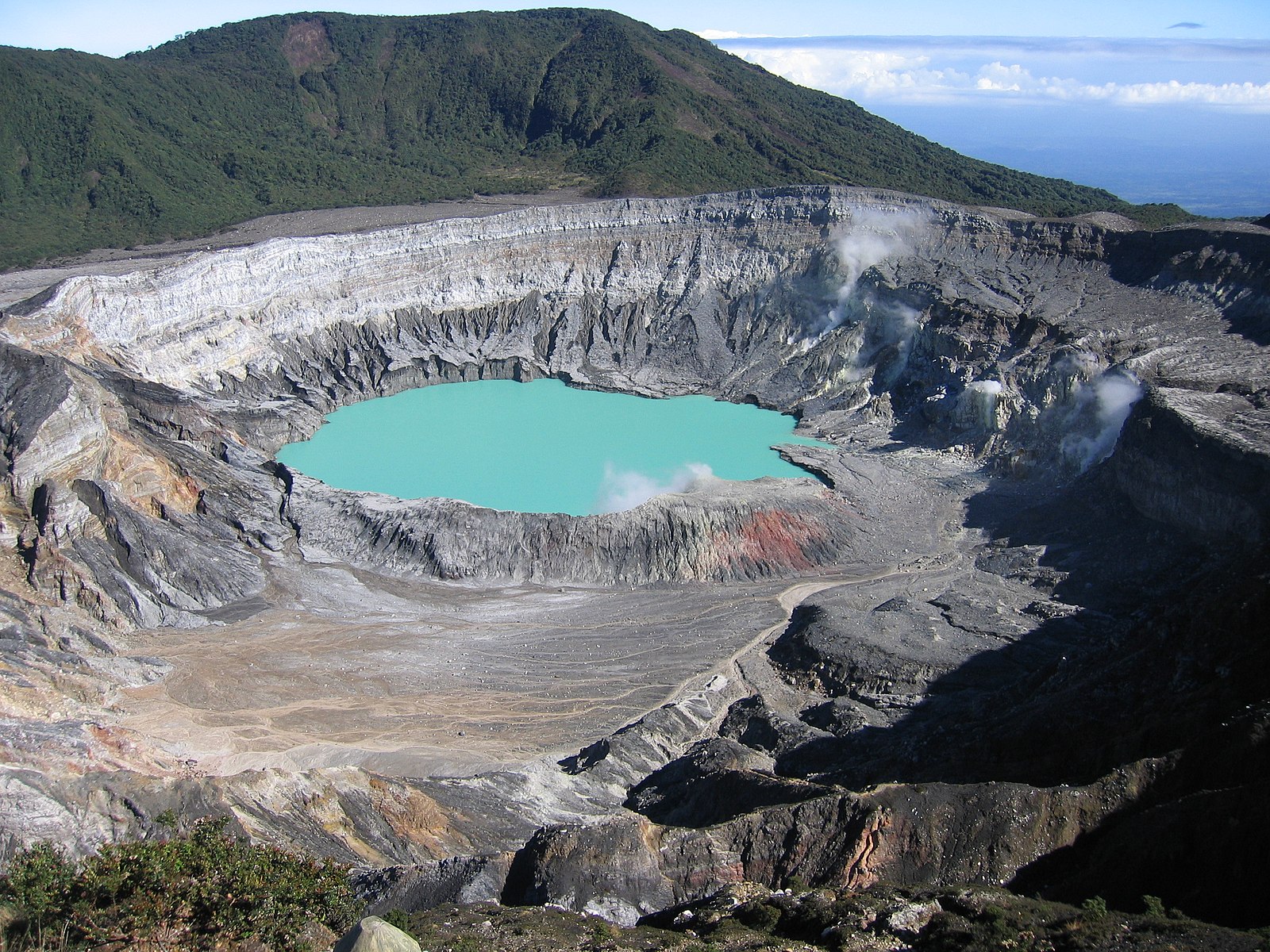
Poás Volcano National Park contains the world’s largest open volcano, complete with a vibrant greenish-blue to yellow volcanic lake that bubbles and boils. The volcano’s opening is over a mile across and bubbling sulfur can be seen between the steam.
Poás is located within a beautiful and lush Central Conservation Area of central Costa Rica that encompasses 6 National Parks and many protected areas. Birds flutter through the heavily vegetated area, including the rare resplendent quetzal, toucans, and hummingbirds. The Poás Volcano sits among rolling hills and is close to the coffee farm that sources Starbucks.
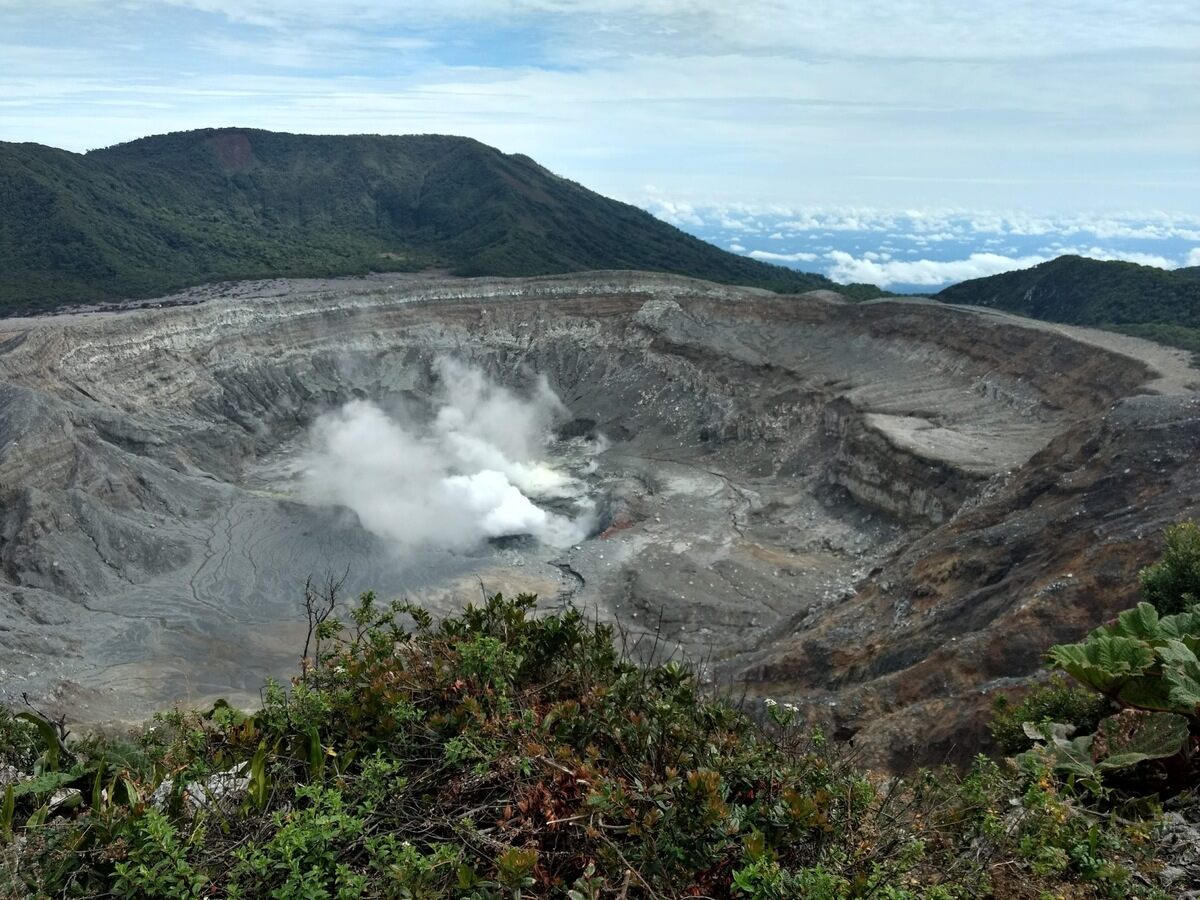
Poás Volcano’s future as a National Park began with student Mario Boza, a Costa Rican who visited National Parks in the United States in the 1960s and was inspired. His Master’s thesis involved a plan to implement a conservation program for the Poás area. The volcano and surrounding area was granted National Park status in 1971, ensuring the area was protected and could not be developed.
The park complex includes a museum and gift shop, a lecture hall (where everyone hoping to view the caldera from the overlooking viewing platform must take safety training), and hiking trails. The 8,885 ft tall volcano has erupted many times since 1828, most recently in September 2019 and 2017. In April 12, 2017, the park was temporarily closed in apprehension of an eruption. Ash and steam clouds began to form, and a large blast on April 22 threw rocks and debris that damaged the viewing platform and nearby structures. After this eruption, the local hiking trails (including to Lake Botos, a green high volcano lake) closed and extra infrastructure was put in place for shelter for tourists and employees near the viewing platform.
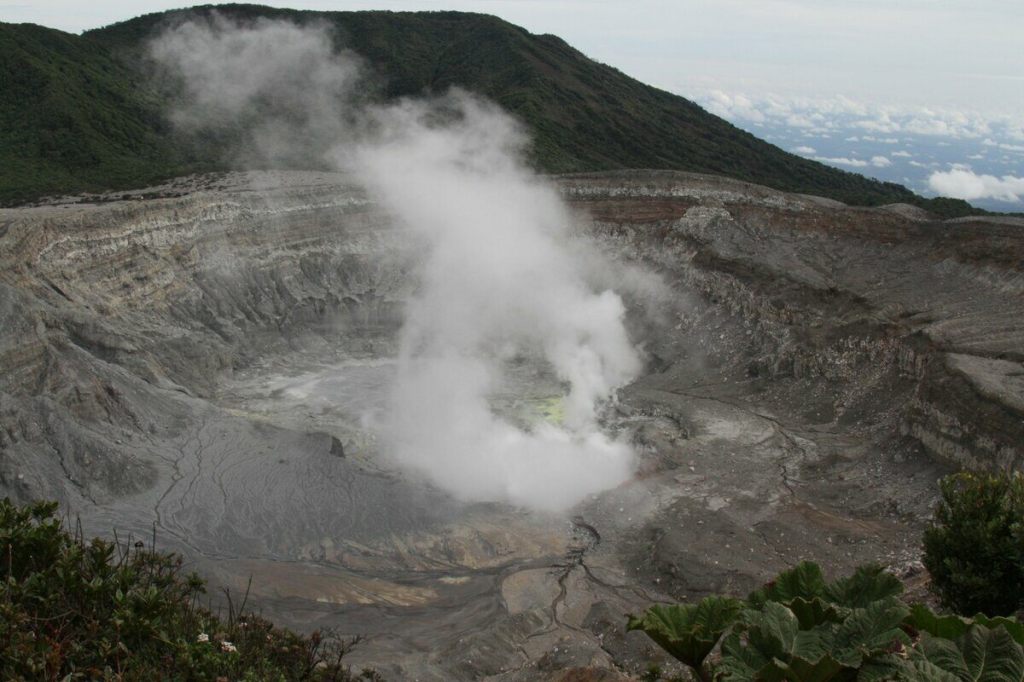


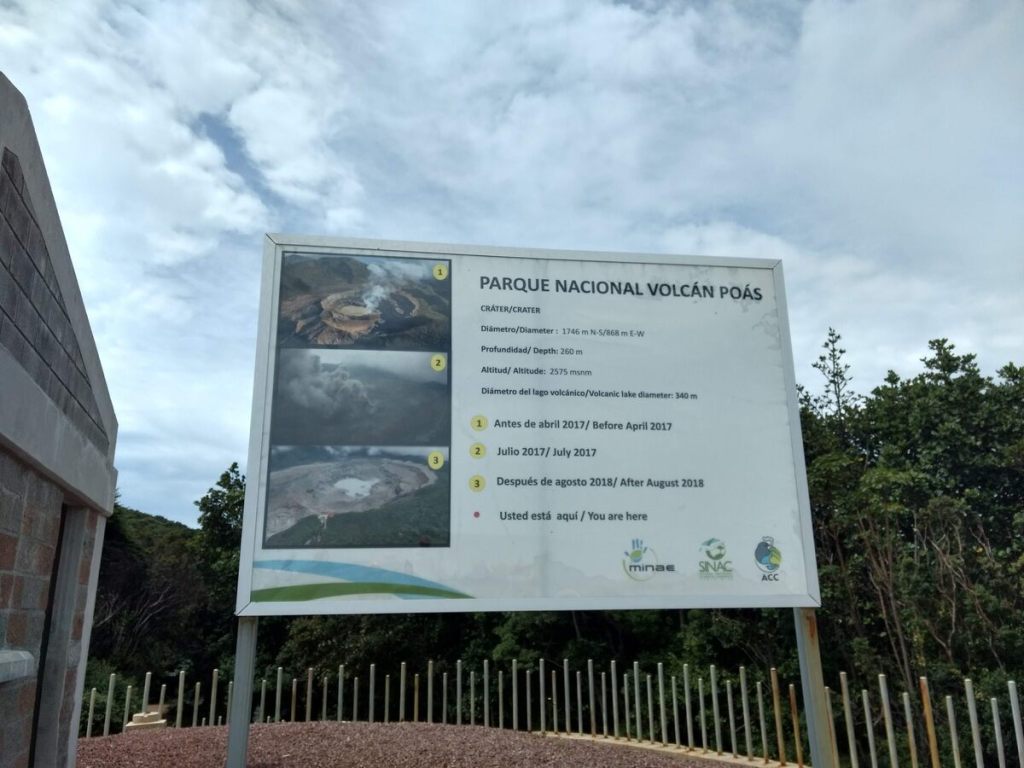

The walk up to the viewing platform is 0.3 miles, and hardhats (provided by the park) must be worn. You must be in a group with a guide to go to the viewing platform and you are only allowed a maximum of 20 minutes at the platform (the gases released by the volcano aren’t so great to breathe much longer than that). The walk up/viewing platform is accessible, but a slightly higher viewing platform does require some stairs. On the walk up, the surrounding jungle becomes thinner and the effects of acid rain from the volcano can be seen readily. The platform offers stunning views of the volcanic crater and sulfur lake. On clear days, another large Costa Rican volcano, Arenal, can be seen in the distance.

The site is a National Park and requires an entry fee and brief safety training before you are allowed to visit the caldera rim. The path to the viewing platform is paved and is 0.3 miles each way. Nearby hiking trails have been closed for several years due to eruptions. A strong sulfur smell is always present and can bother those who are sensitive. We stayed onsite about 1.5 hours, as the hiking trails were still closed when we visited. The area around Poás is absolutely beautiful, so don’t be dismayed at the 20 minute volcano limit.

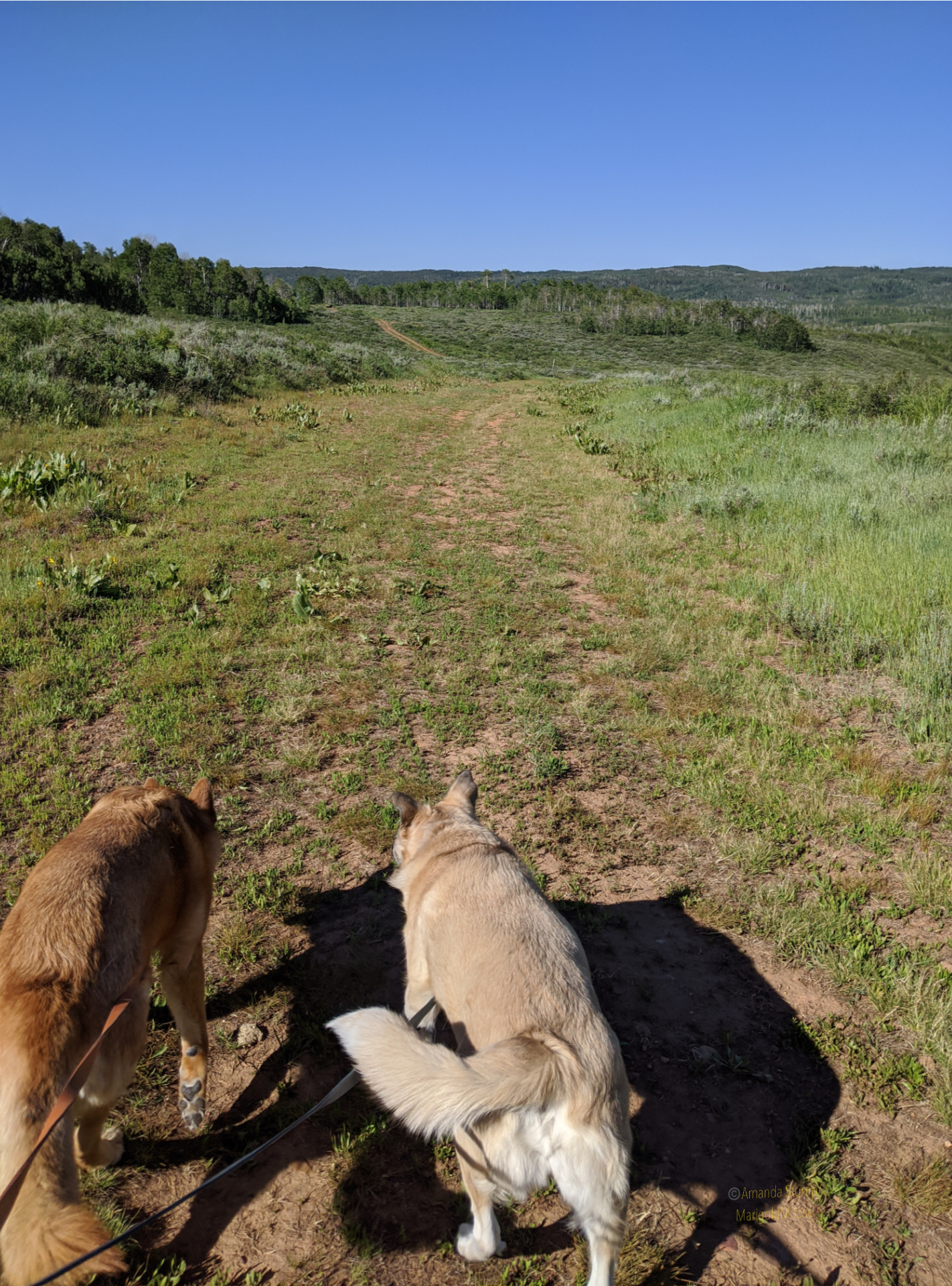
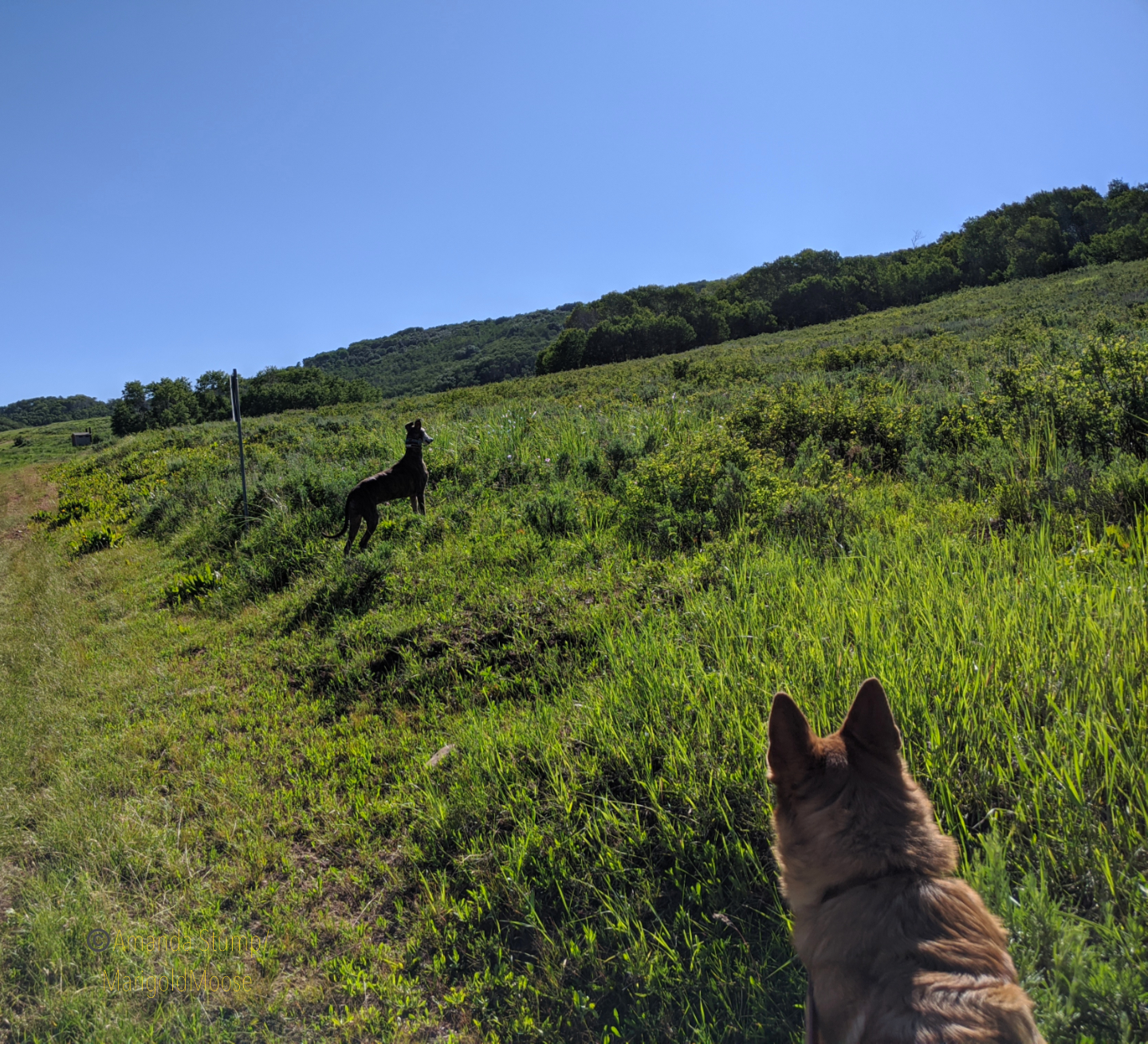
This past summer I took a little drive on my day off. Since I’m always in the Uinta Mountains (it seems), I decided to head up to the Wasatch Mountains this time. And I took all 4 dogs. Since Miss Moose isn’t up for big adventures, we did some short walks and a lot of poking around. I decided on Monte Cristo because I’m always up for food-named places and I heard it was beautiful. It’s northeast of Ogden and it’s usually a good 10-20 degrees colder than the valley. I headed up UT39 and took the dogs for a short run/walk on an ATV trail to get some energy out because enthusiasm levels were high, as you can see in the images below. Disclaimer: my dogs are leashed any time I intend to encounter another person. This was not that place, plus it was 7 am so you can see Reina is roaming.

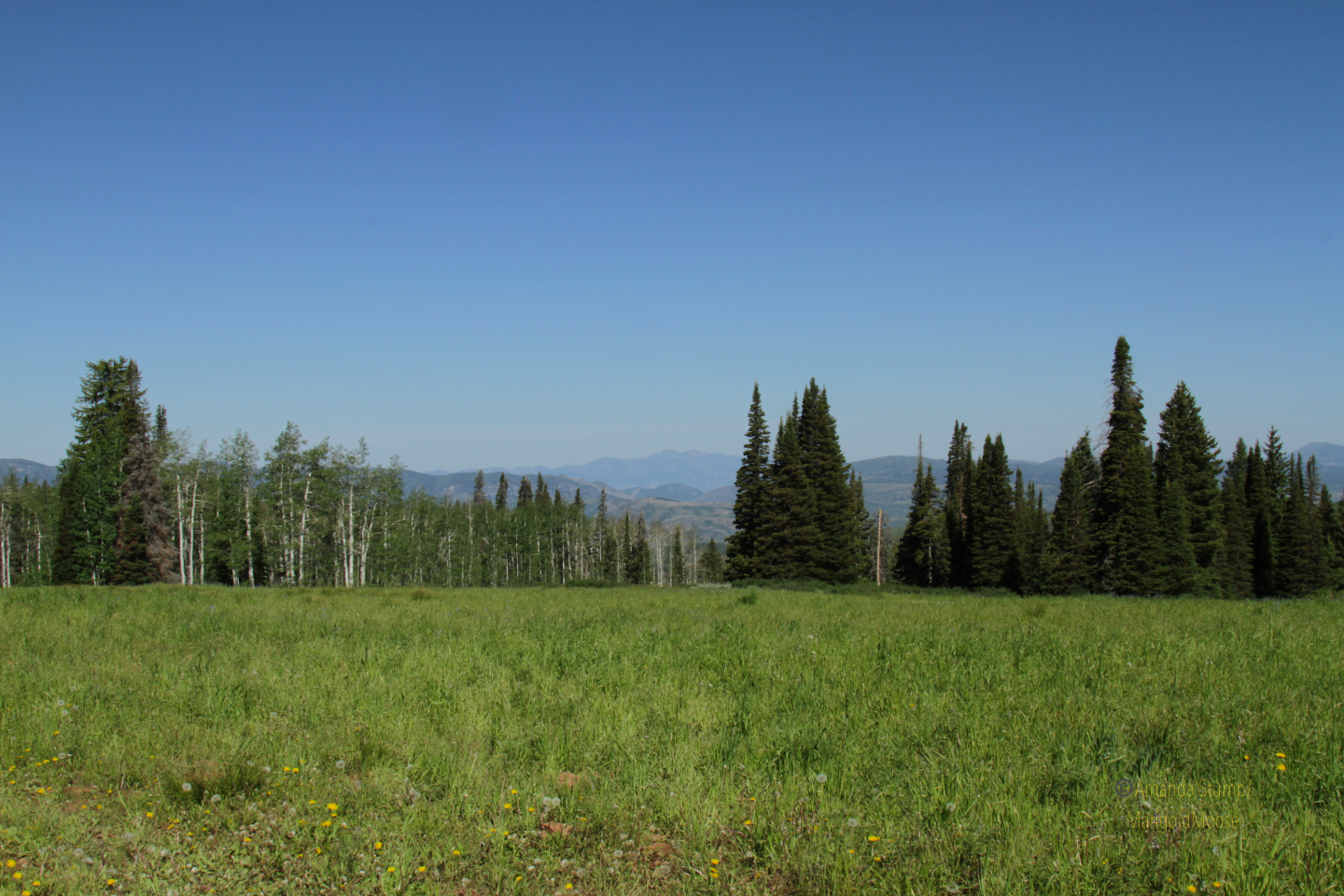
The views driving on UT39 are gorgeous. You can overlook the Ogden Valley and get some amazingly beautiful views. Not many pictures, though, as there aren’t a ton of places to stop and I was driving so no “ shoot out the window and hope it turns out” shots. I did find a nice pull off to experience the beautiful summer mountain flowers. I think those blue flowers below are a type of bellflower. Pretty meadows also give way to mountain landscapes. It’s definitely a great place for nature photography, if the valley inversions behave themselves. There was a bit of haze when I went out, but overall the view was pretty clear.

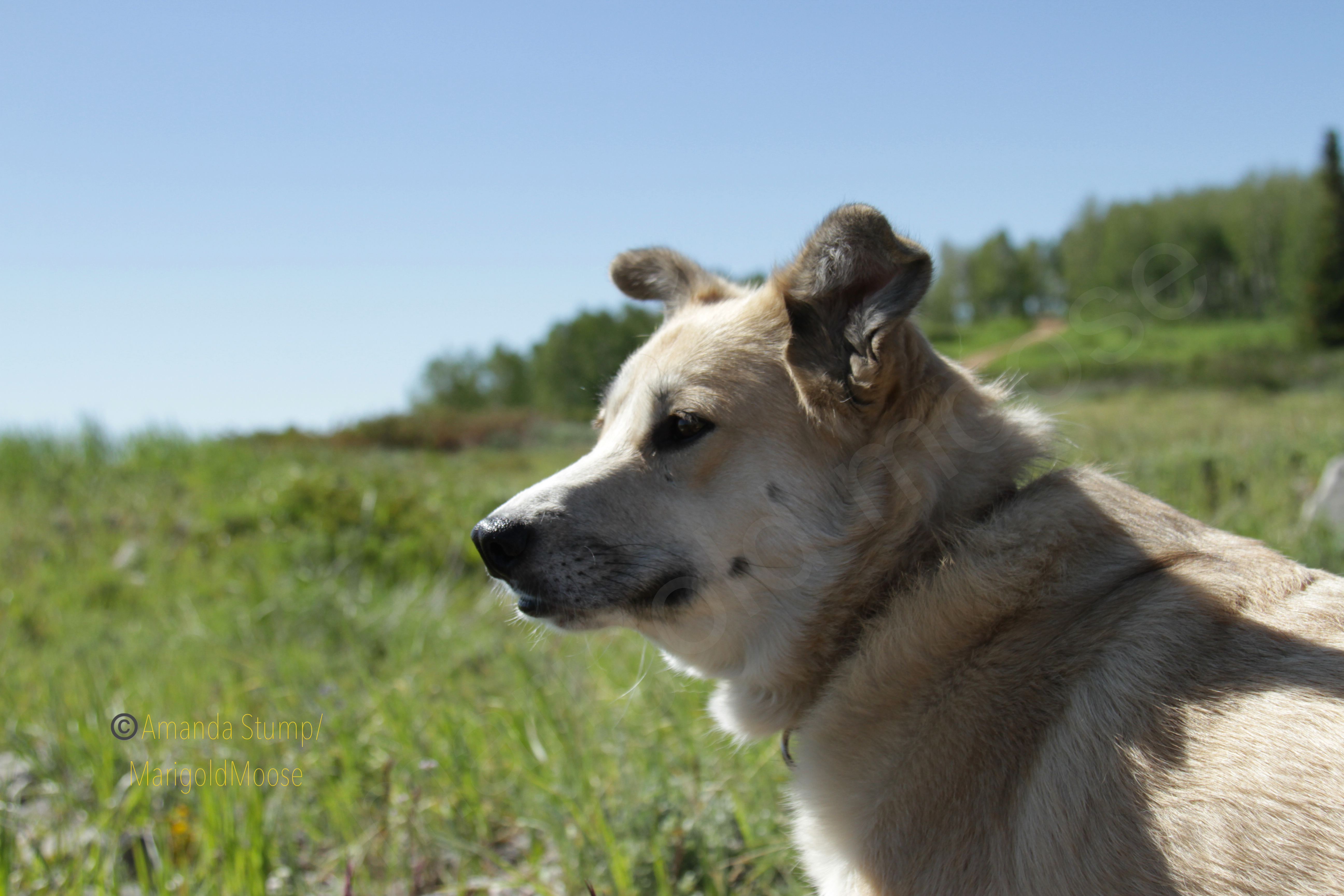
The girls had a lot of fun both poking around the hillsides and exploring. Dogs are welcome as it’s National Forest, just observe basic trail etiquette. Mt. McKinnon is the high point in the area, and again, the views are gorgeous. We ended up sitting on the side of the mountain for a little bit (Miss Moose mandated it) and just relaxing. We went on a weekday and it was fairly empty, though the campground fills up quickly in the summer.



We did a nice short morning excursion and we’re home in time to play with our foster kitten, Janika! (Gratuitous kitten picture below). Monte Cristo is absolutely gorgeous and only about 1-1.5 hours from downtown Salt Lake City, so perfect for a quick trip to get out of the heat or inversions. I haven’t attempted the route in winter yet, however and I believe part of the route on UT39 is actually closed once it snows.

The map below is pinned a little east beyond where I was on UT39. The National Forest is the green sector.
















 Marigold Moose